
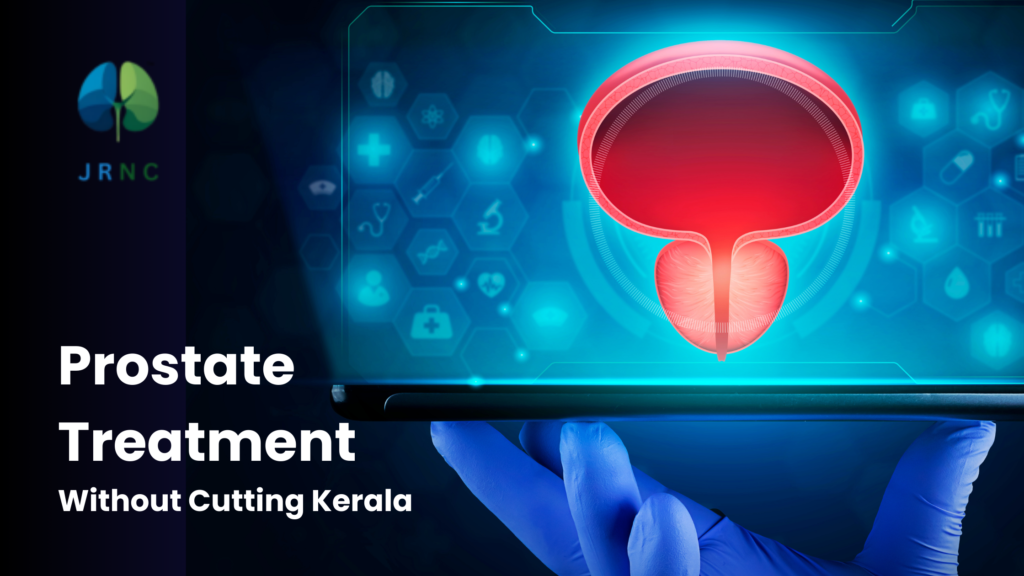
Prostate health is an important concern for men, especially as they age. The prostate, a small gland located below the bladder, plays a vital role in the male reproductive system. However, as men grow older, many experience enlargement of the prostate, a condition known as Benign Prostatic Hyperplasia (BPH). BPH is not cancerous, but it can lead to uncomfortable urinary symptoms such as difficulty starting urination, weak urine flow, frequent urination, urgency, and the feeling of incomplete bladder emptying. These issues can significantly affect daily life and overall well-being. While traditional treatments often required invasive surgery, medical advancements have now made it possible to treat prostate problems effectively without cutting, offering safer and faster recovery options.
Understanding Benign Prostatic Hyperplasia
Benign Prostatic Hyperplasia is a common condition affecting men over the age of 50. It occurs when the prostate gland gradually enlarges, putting pressure on the urethra and bladder. This pressure disrupts the normal flow of urine and can cause discomfort and inconvenience. The symptoms often start gradually and may worsen over time, including frequent nighttime urination, weak urine stream, and urgency. Although BPH is not life-threatening, it can lead to complications like urinary retention, infections, or even kidney issues if left untreated. Understanding the condition is the first step toward choosing the right treatment approach.
Limitations of Traditional Surgical Treatments
For decades, surgical procedures such as Transurethral Resection of the Prostate (TURP) were the primary solution for severe BPH. While effective in relieving urinary obstruction, these procedures involve cutting or removing part of the prostate. Surgery comes with inherent risks, including bleeding, infection, and longer recovery periods. Additionally, there is a risk of sexual dysfunction or other post-operative complications. The invasive nature of these treatments often makes patients hesitant and highlights the need for safer, less disruptive alternatives.
Minimally Invasive Treatments at JR Nathan Urology
At JR Nathan Urology in Thrissur, Kerala, patients have access to state-of-the-art minimally invasive treatments that provide relief without the need for traditional surgery. Under the expert care of Dr. J. R. Nathan, these advanced procedures focus on shrinking or repositioning the prostate to restore normal urinary function while preserving overall health and comfort.
Rezum Therapy
Rezum therapy is a breakthrough treatment that uses water vapor (steam) to target and shrink enlarged prostate tissue. A small device is inserted through the urethra, delivering controlled steam to the affected areas. The heat damages excess tissue, which gradually shrinks, relieving pressure on the urethra. This outpatient procedure is minimally invasive, preserves sexual function, and allows most patients to return to normal activities within a few days.
UroLift Procedure
The UroLift procedure offers another non-surgical approach to treating BPH. This technique involves placing small implants to lift and hold the enlarged prostate tissue out of the way, opening up the urethra and improving urine flow. Unlike traditional surgery, UroLift does not involve cutting, heating, or removing tissue. It is a quick, outpatient procedure with minimal recovery time, making it ideal for men seeking effective relief with a fast return to daily life.
Transurethral Microwave Thermotherapy (TUMT)
TUMT is a non-surgical therapy that uses microwaves to heat and destroy enlarged prostate tissue. A specialized catheter delivers microwave energy directly to the prostate through the urethra. The treatment is usually performed under local anesthesia, requires no incisions, and allows patients to go home the same day. TUMT offers a safe and effective alternative for those who prefer to avoid surgery while still achieving significant symptom relief.
Advantages of Non-Cutting Prostate Treatments
Non-surgical treatments for BPH offer several advantages over traditional procedures. They minimize the risk of complications, such as bleeding, infections, or sexual dysfunction. Hospital stays are often unnecessary, and most patients can resume normal activities within days rather than weeks. These procedures also preserve prostate function while targeting only the problematic tissue, making them a highly effective and patient-friendly solution.
Why Choose JR Nathan Urology
JR Nathan Urology in Kerala stands out for its expertise, advanced technology, and patient-focused care. Led by Dr. J. R. Nathan, the center provides comprehensive evaluation, diagnosis, and individualized treatment plans for men with BPH. Equipped with the latest devices for Rezum, UroLift, and TUMT, the clinic ensures patients receive the most effective and minimally invasive care available. The team emphasizes comfort, safety, and ongoing support, guiding patients through every step of the treatment and recovery process.
Conclusion
Prostate enlargement is a common issue, but it no longer requires invasive surgery to manage effectively. With advanced non-cutting treatments such as Rezum, UroLift, and TUMT, men can enjoy relief from urinary symptoms without long hospital stays or major complications. JR Nathan Urology in Kerala provides expert care, cutting-edge technology, and personalized treatment plans, making it one of the leading centers for minimally invasive prostate care. Men seeking safe and effective solutions for BPH can now regain comfort, health, and quality of life with confidence.
FAQ
What is prostate enlargement and why does it occur?
Prostate enlargement, medically called Benign Prostatic Hyperplasia (BPH), is a common condition in men over 50. It occurs when the prostate gland grows larger, putting pressure on the urethra and affecting normal urine flow. Hormonal changes with age are the primary cause of this condition.
Is prostate treatment without cutting effective?
Yes, minimally invasive treatments such as Rezum therapy, UroLift, and TUMT have been proven effective in relieving urinary symptoms caused by an enlarged prostate. These procedures reduce obstruction, improve urine flow, and preserve prostate and sexual function without the risks of traditional surgery.
How long does it take to recover from non-surgical prostate treatments?
Most patients experience a short recovery period. Procedures like Rezum and UroLift are typically outpatient treatments, meaning patients can go home the same day. Mild urinary discomfort may last a few days, but normal activities can usually be resumed within a week.
Are these procedures safe?
Minimally invasive procedures are generally very safe, with a lower risk of complications compared to traditional surgery. Risks like bleeding, infection, and sexual dysfunction are minimal, making these treatments suitable for a wide range of patients.
Will these treatments affect sexual function?
One of the main advantages of non-cutting prostate treatments is that they preserve sexual function. Unlike traditional surgery, which may carry risks of erectile or ejaculatory issues, procedures like Rezum and UroLift are designed to minimize any impact on sexual health.
Who is a suitable candidate for these treatments?
Men with moderate to severe BPH symptoms who want relief without surgery are ideal candidates. A proper evaluation by a urologist, including imaging and symptom assessment, is necessary to determine the best treatment option.
Why choose JR Nathan Urology in Kerala?
JR Nathan Urology offers expert care, advanced technology, and personalized treatment plans. Led by Dr. J. R. Nathan, the center provides minimally invasive procedures like Rezum, UroLift, and TUMT with a focus on patient comfort, safety, and effective outcomes.
How can I schedule a consultation?
Patients can schedule a consultation by contacting JR Nathan Urology through their official website, phone, or visiting the clinic in Thrissur, Kerala. During the consultation, the urologist will assess symptoms, recommend the most suitable treatment, and explain the procedure and recovery process.