
What Are the Risks of Rezum Therapy?
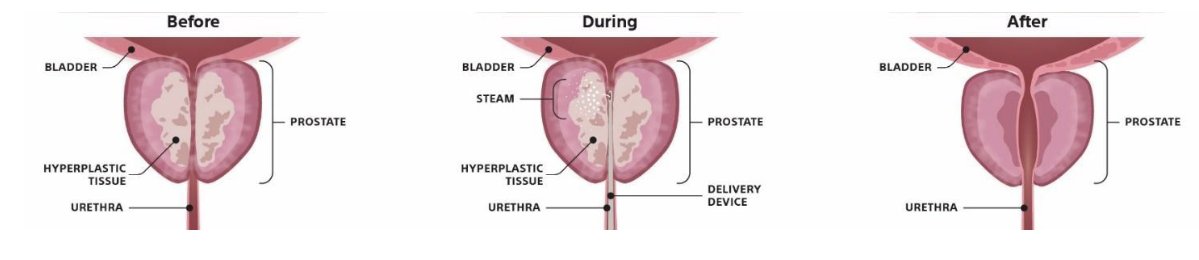
Rezum therapy is a minimally invasive treatment option used for managing urinary symptoms caused by benign prostatic enlargement. It works by delivering controlled doses of water vapor into the prostate tissue, leading to tissue shrinkage over time. While the procedure is widely considered safe and effective, patients considering this treatment in Thrissur often want clear, transparent information about the possible risks and side effects before making a decision. Understanding these risks helps set realistic expectations and ensures informed consent.
This page explains only the risks of Rezum therapy, without discussing benefits, comparisons, or unrelated treatments.
Understanding Risk in Minimally Invasive Prostate Treatments
Every medical procedure, even minimally invasive ones, carries some degree of risk. Rezum therapy avoids large incisions, general anesthesia, and prolonged hospital stays, which significantly reduces complication rates. However, because the treatment involves introducing thermal energy into prostate tissue, temporary and, in rare cases, persistent side effects may occur.
The majority of Rezum-related risks are:
Mild to moderate
Temporary
Manageable with medication or short-term care
Serious complications are uncommon but still important to understand.
Common Short-Term Risks of Rezum Therapy
1. Urinary Burning or Discomfort
A burning sensation during urination is one of the most commonly reported side effects after Rezum therapy. This occurs due to inflammation of the urethra and prostate tissue following the steam injections.
Usually felt during the first few days
Gradually improves as healing progresses
Often managed with pain-relief medication and hydration
2. Increased Urinary Frequency and Urgency
Some patients experience a temporary increase in urinary frequency or a sudden urge to urinate after the procedure. This happens as the prostate responds to treatment-induced inflammation.
Typically peaks within the first 1–2 weeks
Improves as swelling reduces
Considered a normal part of the healing phase
3. Difficulty Urinating (Urinary Retention)
In certain cases, post-procedure swelling can temporarily obstruct urine flow, making it difficult to urinate.
A catheter may be required for a few days
This is preventive and not a complication in itself
Normal urination usually resumes once swelling subsides
4. Blood in Urine or Semen
Mild bleeding is a common short-term effect of Rezum therapy.
Blood in urine may appear for a few days
Blood in semen can persist for several weeks
Usually resolves on its own without treatment
This bleeding is generally light and not dangerous.
Inflammatory and Healing-Related Risks
5. Prostate Swelling
After steam energy is delivered, the prostate undergoes an inflammatory response. Swelling is expected and necessary for tissue shrinkage but may temporarily worsen urinary symptoms.
Symptoms improve gradually over weeks
Rarely causes long-term issues
Managed with medications if needed
6. Pelvic Discomfort or Pressure
Some patients report a sensation of pressure or mild pain in the pelvic area.
Typically short-lived
Improves with rest and medication
Not associated with structural damage
Risk of Urinary Tract Infection (UTI)
7. Post-Procedure Infection
Any procedure involving the urinary tract carries a small risk of infection.
Possible signs include:
Fever
Burning urination that worsens
Cloudy or foul-smelling urine
Preventive antibiotics are often prescribed to minimize this risk. When detected early, infections are easily treated.
Ejaculatory and Sexual Side Effects
8. Changes in Ejaculation
Rezum therapy is known for preserving sexual function better than many surgical alternatives. However, minor ejaculatory changes may still occur in rare cases.
Reduced semen volume
Temporary discomfort during ejaculation
Usually improves over time
Permanent ejaculatory dysfunction is uncommon.
9. Erectile Function Concerns
The risk of erectile dysfunction following Rezum therapy is considered very low.
Most patients report no change
Some may experience temporary anxiety-related effects
Direct nerve damage is rare
Overall, sexual function preservation is one of the strengths of this treatment.
Less Common but Notable Risks
10. Prostate Tissue Sloughing
As treated tissue breaks down, small fragments may pass through the urinary tract.
Can cause temporary urinary blockage
Usually resolves naturally
Rarely requires intervention
11. Persistent Urinary Symptoms
In a small percentage of patients, urinary symptoms may persist longer than expected.
Possible reasons include:
Larger prostate size
Pre-existing bladder dysfunction
Individual healing response
In such cases, symptoms may take longer to improve, or additional treatment may be discussed.
Rare Complications of Rezum Therapy
12. Urethral Injury
Because Rezum therapy uses a transurethral approach, there is a very small risk of irritation or injury to the urethra.
Usually minor
Heals without long-term effects
Serious damage is extremely rare
13. Need for Retreatment
Rezum therapy does not remove the prostate entirely. Over time, prostate tissue may continue to grow.
Some patients may need repeat treatment years later
This is not a complication but a long-term consideration
Retreatment rates are low
Factors That Can Increase Risk
Certain factors may slightly increase the chance of side effects:
Very large prostate size
Pre-existing urinary retention
Poor bladder muscle function
Inadequate post-procedure care
Proper evaluation before the procedure helps minimize these risks.
How Risks Are Managed After Rezum Therapy
Most risks associated with Rezum therapy are predictable and manageable. Standard post-procedure care includes:
Short-term medications for inflammation
Temporary catheter support if needed
Follow-up visits to monitor recovery
Lifestyle guidance during healing
Early reporting of symptoms ensures quick resolution.
When to Seek Medical Attention
Patients should seek immediate medical attention if they experience:
High fever
Inability to urinate after catheter removal
Severe pain not controlled by medication
Heavy or persistent bleeding
Prompt care prevents minor issues from becoming serious.
Long-Term Safety Profile
Clinical studies and real-world data show that Rezum therapy has a strong long-term safety record. Most side effects occur early, improve steadily, and resolve within weeks to months. Serious long-term complications are uncommon, making Rezum a widely accepted minimally invasive option for prostate symptom management.
Final Thoughts on Rezum Therapy Risks
Understanding the risks of Rezum therapy allows patients to approach treatment with confidence and realistic expectations. While temporary urinary and inflammatory symptoms are common, they are usually mild and self-limiting. Serious complications are rare, especially when the procedure is performed with proper evaluation and follow-up care. For patients in Thrissur seeking minimally invasive prostate treatment, being informed about potential risks is a crucial step toward safe and effective decision-making.
TABLE OF CONTENT
Introduction
Rezum therapy is a minimally invasive treatment that uses controlled water vapor energy to reduce enlarged prostate tissue and improve urinary symptoms. Rezum therapy
Candidates
Good candidates are men with moderate urinary symptoms caused by benign prostate enlargement who prefer a non-surgical treatment option. Candidates
Cost
The cost of Rezum therapy varies based on hospital facilities, procedure setup, clinical evaluation, and postoperative care requirements. Cost
Consultation
During the consultation, the doctor reviews urinary symptoms, assesses prostate size, evaluates test results, and explains the treatment plan. Consultation
Preparation
Preparation includes medical evaluation, medication review, following pre-procedure instructions, and arranging short-term post-treatment support. Preparation
Frequently Asked Questions.
1. Is Rezum therapy safe?
Rezum therapy is considered a safe and minimally invasive treatment. Most side effects are temporary, and serious complications are uncommon
2. What are the common risks of Rezum therapy?
Common risks include burning during urination, increased urinary frequency or urgency, mild pelvic discomfort, and temporary blood in urine or semen.
3. Can Rezum therapy cause urinary retention?
Temporary urinary retention can occur due to prostate swelling after the procedure. In some cases, a short-term catheter may be required.
4. Is pain common after Rezum therapy?
Mild discomfort or burning during urination is common in the early recovery period and usually improves within a few days
5. Does Rezum therapy increase the risk of infection?
There is a small risk of urinary tract infection, which can be reduced with preventive antibiotics and proper post-procedure care.
6. Can Rezum therapy affect sexual function?
The risk of erectile dysfunction is very low. Some patients may experience temporary changes in ejaculation that improve over time.
7. Is bleeding a risk after Rezum therapy?
Mild bleeding, such as blood in urine or semen, may occur after treatment and usually resolves on its own.
8. Can urinary symptoms worsen after Rezum therapy?
Urinary symptoms may temporarily worsen due to inflammation after the procedure, but they typically improve as healing progresses.
9. Can Rezum therapy need to be repeated?
In some cases, prostate tissue may regrow over time, and repeat treatment may be required in the future.
10. Are long-term complications common with Rezum therapy?
Long-term complications are uncommon. Most side effects occur shortly after treatment and resolve within a few weeks.