
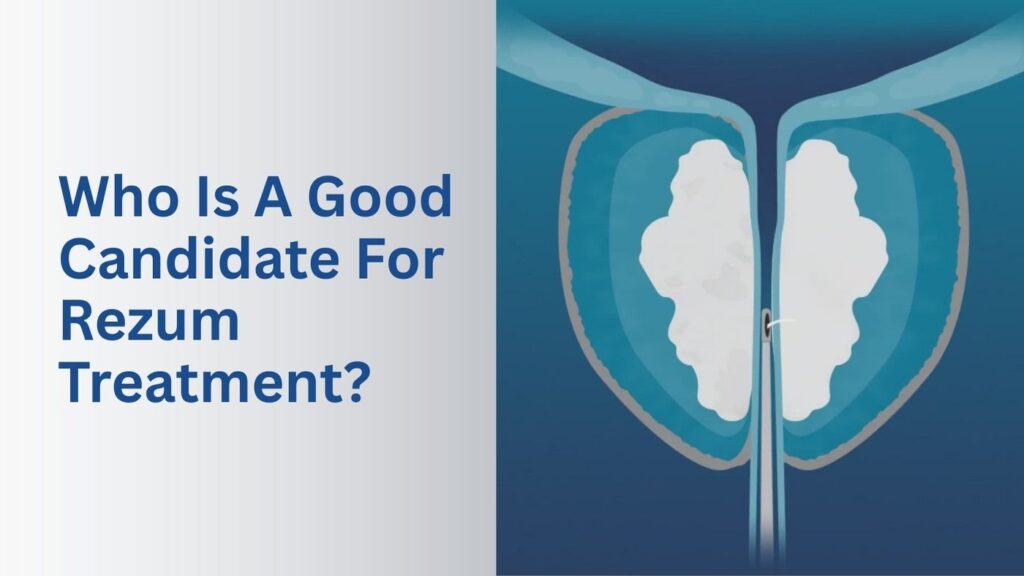
For individuals exploring options for benign prostatic hyperplasia management in Thrissur, understanding who may be suitable for Rezum therapy is an important step before considering treatment. Rezum therapy is a minimally invasive procedure designed to reduce prostate tissue using water vapor energy, and candidacy depends on symptoms, prostate size, health status, and prior treatment history. Identifying appropriate candidates helps set realistic expectations and supports informed decision-making.
1 Understanding Rezum Treatment Eligibility
Rezum therapy is typically considered for individuals experiencing urinary symptoms caused by benign prostatic hyperplasia. These symptoms may include frequent urination, weak urine flow, urgency, nighttime urination, and difficulty starting or maintaining urination. Suitability is determined through clinical evaluation, imaging, and symptom assessment.
The treatment focuses on reducing excess prostate tissue that presses against the urethra, improving urine flow and relieving obstruction. Individuals whose symptoms significantly affect daily activities and quality of life may be evaluated as potential candidates.
2 Age And Symptom Profile
Rezum therapy is often evaluated for adults who show progressive urinary symptoms related to prostate enlargement. Candidates usually report moderate urinary difficulties rather than very mild symptoms that can be managed with observation alone.
Common symptom indicators may include:
Frequent urination during the day and night
Hesitant or interrupted urine stream
Sensation of incomplete bladder emptying
Urgency to urinate
Difficulty initiating urination
Symptom severity is typically measured using standardized assessment tools that help determine whether minimally invasive therapy is appropriate.
3 Prostate Size Considerations
Suitability for Rezum therapy depends partly on prostate volume. The treatment is generally considered for individuals with mild to moderately enlarged prostates. Imaging tests such as ultrasound may be used to assess gland size and determine whether water vapor therapy is feasible.
When the prostate enlargement falls within the range that can be treated using targeted steam delivery, Rezum may be recommended as an option to relieve urinary obstruction.
4 Individuals Seeking Minimally Invasive Options
Rezum therapy is commonly evaluated for individuals who prefer a minimally invasive approach rather than traditional surgical intervention. The procedure does not involve large incisions and is typically performed using a transurethral technique.
Candidates may include those who:
Prefer shorter recovery periods
Wish to avoid major surgical procedures
Seek outpatient treatment options
Want symptom improvement without extensive hospitalization
This makes the therapy relevant for individuals balancing treatment effectiveness and recovery considerations.
5 Individuals With Medication Intolerance
Some individuals may not respond well to medications used to manage benign prostatic hyperplasia. Others may experience side effects or insufficient symptom relief.
Rezum therapy may be considered when:
Medications do not adequately control symptoms
Long-term medication use is not preferred
Side effects interfere with daily activities
In such situations, minimally invasive therapy may be explored as an alternative management pathway.
6 Overall Health And Medical Suitability
General health plays an important role in determining candidacy. A medical evaluation typically reviews factors such as cardiovascular health, existing conditions, and ability to undergo minor procedures.
Candidates are usually individuals who:
Can tolerate minimally invasive procedures
Do not have uncontrolled medical conditions
Are able to participate in follow-up care
A complete clinical assessment ensures that the treatment is safe and appropriate.
7 Individuals With Persistent Urinary Symptoms
Rezum therapy is often evaluated when urinary symptoms persist despite conservative management. Persistent symptoms that interfere with sleep, work, or daily routines may prompt consideration of intervention.
These may include:
Repeated nighttime urination
Reduced urinary flow over time
Increasing urgency
Bladder discomfort related to obstruction
Addressing persistent symptoms early can help improve urinary function and overall comfort.
8 Individuals Without Advanced Complications
The therapy is typically considered for those without severe complications such as extensive bladder damage or complex prostate conditions requiring alternative surgical approaches.
Evaluation may include:
Urine tests
Imaging studies
Symptom history
Physical examination
This helps determine whether water vapor therapy is suitable or whether another treatment approach is more appropriate.
9 Expectations From Treatment
Understanding expectations is important when identifying suitable candidates. Rezum therapy works gradually, and improvements occur as treated prostate tissue is absorbed by the body.
Candidates should be prepared for:
Gradual symptom improvement over weeks
Temporary urinary changes during healing
Follow-up visits to monitor progress
Clear expectations support treatment satisfaction and recovery planning.
10 Individuals Interested In Long-Term Symptom Relief
The therapy is considered for those seeking improvement in urinary flow and reduction in prostate-related symptoms without immediate invasive surgery. Long-term symptom management is an important factor in treatment selection.
Candidates may value:
Sustained symptom improvement
Reduced reliance on medications
Improved urinary comfort
Better quality of life
Treatment planning often focuses on balancing effectiveness, recovery time, and individual health considerations.
11 Pre-Treatment Evaluation Process
Before determining candidacy, a structured evaluation is conducted. This process may include:
Symptom scoring
Prostate imaging
Urine flow assessment
Medical history review
Physical examination
The goal is to confirm that symptoms are due to benign prostate enlargement and that Rezum therapy is an appropriate option.
12 Situations Where Alternative Treatments May Be Considered
While many individuals may be suitable, certain cases may require different treatment approaches. These may include:
Very large prostate size
Severe urinary retention
Complex prostate conditions
Associated bladder complications
In such scenarios, healthcare providers may recommend alternative procedures better suited to the individual condition.
13 Recovery Readiness And Lifestyle Factors
Candidates who understand and prepare for recovery are more likely to benefit from treatment. Recovery planning includes:
Managing temporary urinary changes
Maintaining hydration
Attending follow-up appointments
Monitoring symptom improvement
Lifestyle readiness plays a role in successful treatment outcomes.
14 Importance Of Individualized Assessment
There is no single profile that defines every suitable candidate. Each individual undergoes a personalized evaluation based on symptoms, prostate characteristics, health status, and treatment goals.
This individualized approach ensures that the therapy aligns with:
Medical suitability
Symptom severity
Lifestyle needs
Recovery expectations
Personalized care supports informed decisions and appropriate treatment selection.
15 Final Overview
Choosing who is a good candidate for Rezum treatment involves understanding symptom patterns, prostate size, overall health, and expectations from therapy. The procedure is often evaluated for individuals with moderate urinary symptoms caused by benign prostatic enlargement who prefer a minimally invasive option and seek gradual symptom relief.
Assessment, imaging, and symptom evaluation guide the decision-making process and help determine whether water vapor therapy is appropriate. Treatment planning focuses on improving urinary comfort, reducing obstruction, and supporting long-term symptom management. For individuals considering treatment options in Thrissur, careful evaluation and informed understanding play an essential role in identifying whether Rezum therapy is a suitable approach.
Frequently Asked Questions
1. Who is considered a good candidate for Rezum treatment?
Individuals with moderate urinary symptoms caused by benign prostatic enlargement and those seeking a minimally invasive treatment option may be considered suitable candidates.
2. Is Rezum therapy suitable for all men with BPH?
Not everyone is eligible. Suitability depends on prostate size, symptom severity, and overall health assessment.
3. Can older adults undergo Rezum treatment?
Yes, age alone is not a limiting factor, but general health and medical fitness are evaluated before recommending the procedure.
4. Is Rezum therapy recommended if medications are not working?
It may be considered when medications do not provide adequate symptom relief or cause unwanted side effects.
5. Does prostate size affect eligibility for Rezum therapy?
Yes, prostate size is an important factor, and imaging tests help determine whether the treatment is appropriate.
6. Can individuals with mild symptoms undergo Rezum treatment?
Those with mild symptoms are usually managed with monitoring or medications, while Rezum is often considered for moderate symptoms.
7. Is Rezum therapy suitable for individuals with other medical conditions?
Medical history is reviewed carefully, and suitability depends on the ability to safely undergo a minimally invasive procedure.
8. How is candidacy for Rezum therapy evaluated?
Evaluation typically includes symptom assessment, imaging studies, urine flow tests, and overall health review.
9. Can Rezum therapy help individuals wanting to avoid major surgery?
Yes, it may be considered for those who prefer a minimally invasive option instead of traditional surgical procedures.
10. When should someone consider consulting about Rezum treatment?
Consultation may be considered when urinary symptoms persist, worsen, or begin to affect daily activities and quality of life.