
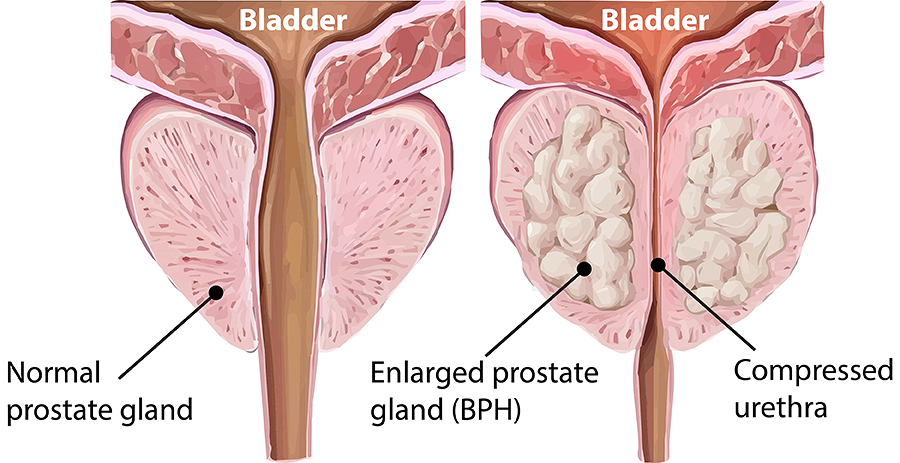
Benign Prostatic Hyperplasia, commonly known as BPH, is a non-cancerous enlargement of the prostate gland that affects a large number of men, especially as they grow older. The prostate is a small gland located just below the bladder and surrounds the urethra, the tube that carries urine from the bladder out of the body. As the prostate enlarges due to BPH, it can compress the urethra and interfere with normal urine flow, leading to a range of urinary symptoms that can significantly affect quality of life.
BPH is a progressive condition, meaning symptoms often develop gradually over time. While it is not life-threatening, untreated BPH can cause persistent discomfort, sleep disturbances, and complications related to bladder and kidney health. Understanding BPH is the first step toward effective management and long-term relief.
Why Does the Prostate Enlarge?
The exact cause of BPH is not completely understood, but it is strongly linked to aging and hormonal changes in men. As men age, changes in testosterone and estrogen levels can stimulate prostate tissue growth. This enlargement is considered a natural process for many men, although not everyone develops symptoms.
Genetic factors, lifestyle habits, and overall health may also influence the likelihood and severity of BPH. While prostate enlargement itself is common, symptoms occur when the enlarged gland presses against the urethra and disrupts urine flow.
How Common Is BPH?
BPH is one of the most common urological conditions in men over the age of 50. Studies suggest that:
Many men begin to show prostate enlargement in their 40s
More than half of men over 60 experience BPH-related symptoms
The prevalence increases further with advancing age
How BPH Affects Daily Life
Although BPH is not cancerous, its impact on daily life can be significant. Night-time urination can lead to poor sleep and fatigue. Daytime urgency and frequency may limit social activities or travel. Over time, untreated BPH may also increase the risk of urinary tract infections, bladder stones, and bladder damage.
Men living in busy urban and semi-urban areas such as Thrissur often delay seeking care due to work and lifestyle commitments, which can allow symptoms to progress further.
BPH Is Not Prostate Cancer
A common concern among patients is whether BPH is related to prostate cancer. It is important to understand that BPH is a benign (non-cancerous) condition and does not turn into cancer. However, both conditions can occur simultaneously, and some symptoms may overlap.
Regular medical evaluation helps differentiate BPH from other prostate conditions and ensures appropriate management.
Modern Understanding of BPH Care
Today, BPH is viewed as a manageable condition rather than an unavoidable consequence of aging. Advances in medical science have made it possible to control symptoms effectively with personalized care approaches that focus on comfort, safety, and long-term results.
Men are increasingly encouraged to seek evaluation early, discuss symptoms openly, and choose treatment options that align with their lifestyle and health goals.
Benign Prostatic Hyperplasia is a common age-related condition that affects the prostate gland and interferes with normal urinary function. While it is not cancerous, BPH can significantly impact daily life if left untreated. Understanding the causes, symptoms, and progression of BPH empowers men to seek timely care and make informed decisions.In regions like Thrissur, where awareness of men’s health is growing, more individuals are seeking early evaluation and treatment for urinary symptoms associated with BPH. With early diagnosis and appropriate management, BPH can be effectively controlled, allowing men to maintain comfort, confidence, and quality of life as they age.
Men with persistent or worsening urinary symptoms due to prostate enlargement are good candidates for BPH treatment. Learn more
The cost of BPH treatment varies depending on the severity of symptoms and the type of treatment required. Learn more
During a BPH consultation, you can expect a thorough review of your urinary symptoms, prostate health evaluation, and clear guidance on the most suitable treatment options for your condition. Learn more
Asking the right questions before BPH treatment helps you understand your condition, treatment options, and what to expect during recovery. Learn more
BPH treatment can involve risks such as temporary urinary discomfort, sexual side effects, infection, bleeding, or incomplete symptom relief, depending on the treatment method used. Learn more
Preparation for BPH treatment usually involves medical evaluation, reviewing current medications, following lifestyle advice, and completing any recommended tests before starting treatment. Learn more
BPH treatment typically follows a step-by-step process of symptom assessment, diagnostic tests, treatment selection, procedure or medication initiation, and regular follow-up care. Learn more
Understanding the gradual improvement in urinary symptoms, temporary discomfort, and the overall healing process following treatment for benign prostatic hyperplasia. Learn more
After BPH treatment, many patients experience improved urine flow, reduced urinary symptoms, better bladder emptying, and improved quality of life. Learn more
Before-and-after results commonly show decreased urinary obstruction, fewer nighttime urination episodes, and improved overall urinary comfort. Learn more
Important terms include benign prostatic hyperplasia, prostate enlargement, urinary retention, flow rate, symptom score, and minimally invasive treatment. Learn more
Choosing the right doctor involves evaluating experience in prostate care, availability of modern treatment options, clear patient communication, and structured follow-up care. Learn more