
Benign prostatic hyperplasia (BPH), or prostate enlargement, is one of the most common urologic conditions affecting men as they age. It leads to bothersome lower urinary tract symptoms (LUTS) such as weak urine stream, urgency, nocturia, and incomplete bladder emptying. Traditional treatment options include medications like alpha-blockers and 5-alpha reductase inhibitors, or surgical procedures such as transurethral resection of the prostate (TURP) and laser therapies.
In recent years, non-surgical steam therapy has emerged as a minimally invasive alternative. Patients and urologists are interested in this innovative treatment because it promises effective relief of symptoms with fewer side effects, faster recovery, and a reduced risk of sexual dysfunction. Clinics such as Jr Nathan Urology and SDC Prostate are well-positioned to make this option available to patients seeking modern, less invasive care.
What Is Non-Surgical Steam Therapy?
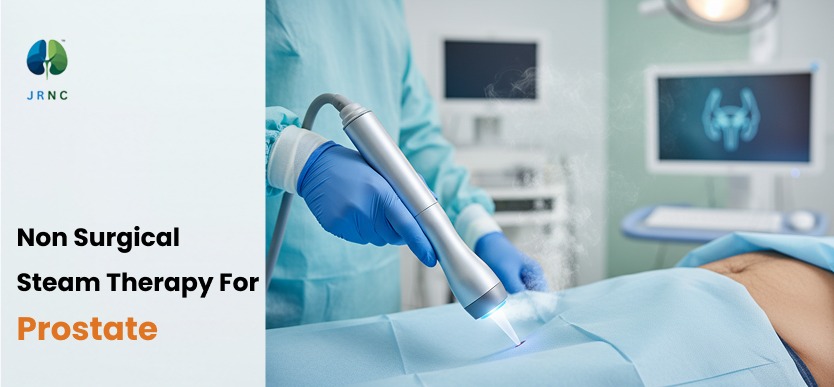
Non-surgical steam therapy, often referred to as water vapor thermal therapy, uses the natural energy stored in water vapor to ablate excess prostate tissue. During the procedure, a small needle is inserted into the prostate through a transurethral device. Steam is then delivered in short bursts, each lasting about nine seconds.
When the steam condenses inside the prostate tissue, it releases energy, heating the cells to a temperature that causes them to die. Over time, the body’s healing response absorbs and eliminates the treated tissue, reducing the size of the prostate and relieving obstruction of the urethra.
Because of the unique anatomy of the prostate, the energy remains confined to the targeted area, minimizing injury to surrounding structures. The procedure is performed in an outpatient setting, usually under local anesthesia with optional sedation. No incisions are required.
Who Is a Suitable Candidate?
Steam therapy may be a good option for men who:
Have moderate to severe urinary symptoms due to BPH.
Have prostate sizes in the typical treatable range (around 30–80 cc).
Have not responded well to medications or do not want to continue long-term drug therapy.
Want to avoid more invasive surgery.
Have an enlarged median lobe, which can also be treated with this technique.
It may not be recommended for men with very large prostates, active urinary infections, significant urethral strictures, or certain bladder conditions. Careful evaluation by a urologist is essential before proceeding.
The Procedure: Step by Step
Preparation
Patients are asked to empty their bladder. Local anesthesia is applied to the urethra and prostate region. Sedation can be given if needed.Insertion
A small delivery device is introduced through the urethra to reach the prostate.Steam Delivery
A retractable needle is deployed into the obstructing prostate tissue. Controlled bursts of steam are delivered, each lasting about nine seconds. Depending on the size of the prostate, several injections may be performed. The total treatment usually takes less than 10 minutes.Completion
The device is withdrawn, and a temporary urinary catheter is often placed to allow proper drainage while the prostate tissue is swollen. This catheter is typically removed within a few days.Recovery
Most men go home the same day. Temporary side effects such as urinary urgency, burning during urination, or mild blood in the urine can occur. These usually resolve within a few weeks. Symptom relief often begins within two to six weeks and continues to improve over several months.
Clinical Outcomes and Evidence
Studies of steam therapy have shown:
Significant reduction in urinary symptom scores, often by 50% or more.
Improved urine flow rates and quality of life measures.
Sustained results lasting at least five years, with low retreatment rates.
Preservation of sexual function, with minimal risk of erectile dysfunction.
Low complication rates, with most side effects being temporary and mild, such as urinary urgency, discomfort, or short-term urinary retention.
Unlike more invasive procedures, steam therapy does not require general anesthesia and avoids the risks associated with major surgery.
Advantages of Steam Therapy
Minimally invasive: No incisions, quick procedure, and usually done in the office.
Fast recovery: Most men resume daily activities within days.
Durable results: Proven long-term symptom relief with low retreatment rates.
Preservation of sexual function: Low risk of erectile dysfunction or permanent ejaculation issues.
No permanent implants: Unlike other minimally invasive options, there is no foreign device left inside the body.
Middle lobe treatment: Effective even when the prostate has a median lobe, which is often a limitation for other techniques.
Potential Limitations
Temporary symptom flare: Swelling can worsen urinary symptoms for a short period after treatment.
Catheter use: A catheter is often required for a few days after the procedure.
Not for all patients: Very large prostates or complex anatomy may not be suitable.
Limited data compared to TURP: While long-term studies are promising, steam therapy still has fewer decades of evidence than more established surgical approaches.
Steam Therapy at Jr Nathan Urology and SDC Prostate
Centers like Jr Nathan Urology and SDC Prostate can play a leading role in making steam therapy widely accessible. By offering this innovative treatment, they provide patients with a modern alternative to lifelong medications or invasive surgery.
These clinics can support patients by:
Educating them through workshops, seminars, and easy-to-understand informational materials.
Screening candidates carefully to ensure the best outcomes.
Guiding them through the procedure and recovery process with personalized follow-up care.
Tracking outcomes to build confidence in the therapy and demonstrate excellent results.
By combining patient-focused care with advanced technology, such centers position themselves as leaders in prostate health.
Conclusion
Non-surgical steam therapy is changing the way urologists manage benign prostate enlargement. By offering an effective, minimally invasive, and durable solution, it fills the gap between medications and major surgery.
For clinics such as Jr Nathan Urology and SDC Prostate, introducing steam therapy not only broadens treatment options but also strengthens their position as patient-centered leaders in urologic care. For men struggling with urinary symptoms, this therapy provides a promising path toward relief, faster recovery, and improved quality of life.
FAQ
How long does the procedure take?
The steam therapy procedure itself usually takes less than 10 minutes. Including preparation and recovery, most patients spend under an hour at the clinic.
Do I need general anesthesia?
No. The procedure is typically performed under local anesthesia with light sedation if needed. This makes it suitable for men who cannot undergo general anesthesia.
Will I need to stay in the hospital?
No hospital stay is required. Steam therapy is an outpatient procedure, and patients usually go home the same day.
How long will I need a catheter?
A temporary catheter is usually placed after the procedure to allow the prostate to heal and swelling to subside. It is typically removed after two to five days, depending on individual recovery.
When can I return to work or normal activities?
Most men return to light activities within two to three days. Strenuous exercise and heavy lifting are usually avoided for one to two weeks.
What side effects should I expect?
Common short-term side effects include burning during urination, frequent urination, urgency, or mild blood in the urine. These usually resolve within two to four weeks.
Will I lose sexual function?
The risk of erectile dysfunction with steam therapy is very low. Some men may experience changes in ejaculation, such as reduced volume, but these effects are generally mild compared to traditional surgery.
Is the treatment permanent?
The results of steam therapy are durable, with studies showing sustained symptom relief for at least five years. A small number of patients may require retreatment.