Rezum Procedure Steps in Dubai: From Consultation to Recovery
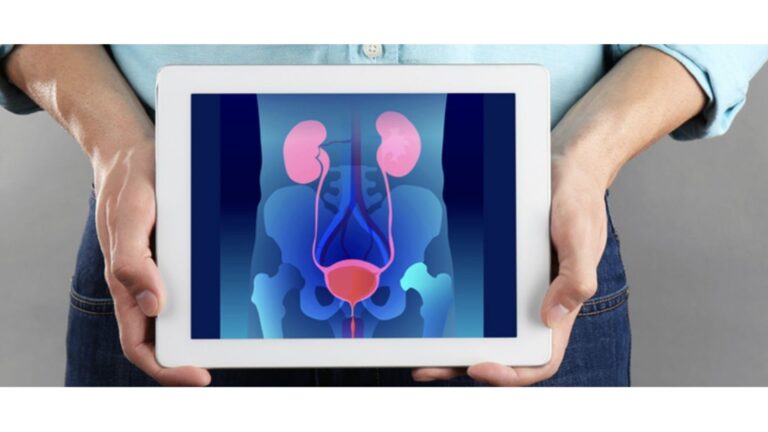
Men experiencing urinary difficulties due to prostate enlargement often seek a treatment that relieves symptoms without major surgery. Rezum therapy is a minimally invasive procedure designed to reduce prostate obstruction using targeted water vapor energy. For patients considering Rezum treatment in Dubai, understanding each stage of the procedure — from initial consultation to full recovery — helps reduce anxiety and prepares them for a smoother treatment journey.
This guide explains the complete step-by-step process, including evaluation, preparation, treatment day experience, and healing timeline.
What Is Rezum Therapy?
Rezum therapy is a minimally invasive treatment for benign prostatic enlargement. It uses sterile steam delivered through a thin instrument inserted into the urethra. The heat energy shrinks excess prostate tissue that blocks urine flow. Over time, the body naturally removes the treated tissue, opening the urinary passage.
Unlike traditional surgery, Rezum does not require cutting or removal of the prostate. The goal is to relieve urinary obstruction while preserving normal functions and minimizing recovery time.
Step 1: Initial Consultation and Evaluation
The process begins with a detailed medical evaluation. During this stage, symptoms, medical history, and urinary problems are reviewed carefully.
Common symptoms discussed
Frequent urination
Weak urine stream
Difficulty starting urination
Interrupted flow
Night-time urination
Urgency
Tests usually performed
Urine flow test
Ultrasound scan
Prostate size measurement
Residual urine assessment
Symptom score questionnaire
The purpose of this visit is to confirm prostate enlargement, rule out other causes, and determine whether Rezum therapy is suitable.
Step 2: Pre-Procedure Preparation
Once treatment is planned, preparation instructions are provided.
Before the procedure patients may be advised to
Stop certain medications temporarily
Avoid food for a few hours if sedation is planned
Arrange transport home after treatment
Drink adequate fluids
Empty bladder before the procedure
No major hospital admission is typically required. Most procedures are performed as a day-care treatment.
Step 3: Arrival on Treatment Day
On the day of the procedure, the patient arrives at the clinic and basic checks are performed.
Pre-procedure steps include
Vital signs recording
Consent confirmation
Bladder preparation
Administration of local anesthesia or mild sedation
The aim is to ensure comfort during the procedure while maintaining safety.
Step 4: The Rezum Treatment Procedure
This is the main stage of therapy and usually takes only a short time.
How the procedure is performed
A thin camera instrument is gently inserted through the urethra.
The prostate area causing obstruction is identified.
Controlled steam is delivered into the enlarged prostate tissue.
Each steam injection lasts a few seconds.
Multiple injections may be given depending on prostate size.
The steam causes targeted cell damage. Over the following weeks, the body absorbs this tissue, widening the urinary channel.
Duration
The active treatment usually lasts about 10–20 minutes.
Because there are no surgical cuts, bleeding is minimal and surrounding structures are preserved.
Step 5: Immediately After the Procedure
After completion, the patient rests briefly under observation.
What patients may experience
Mild burning during urination
Urinary urgency
Slight discomfort
Temporary blood-tinged urine
A temporary urinary catheter may be placed for a few days to allow proper healing and urine drainage.
Most patients return home the same day.
Step 6: First Week After Treatment
The initial healing phase is important. Symptoms may temporarily feel slightly worse before improving.
Normal short-term effects
Increased frequency
Urgency
Mild discomfort
Weak stream
These occur because the prostate begins reacting to treatment and swelling occurs before shrinkage.
Patients are usually advised to:
Drink water regularly
Avoid heavy lifting
Avoid straining
Take prescribed medications
Step 7: Early Recovery (2–4 Weeks)
During the next few weeks, swelling gradually decreases and improvements begin.
Early improvements include
Easier urination
Reduced pressure
Better bladder emptying
Improved comfort
Some patients notice changes earlier, while others improve gradually.
Step 8: Intermediate Recovery (1–3 Months)
This period marks clear symptom relief as treated tissue dissolves naturally.
Noticeable improvements
Stronger urine stream
Reduced urgency
Fewer nighttime awakenings
Better bladder control
Daily activities become easier and sleep quality improves significantly.
Step 9: Long-Term Recovery (3–6 Months)
By this stage, most healing is complete and the final results appear.
Final outcomes
Stable urine flow
Comfortable urination
Reduced urinary frequency
Improved quality of life
Follow-up visits may include symptom review and flow testing to confirm progress.
Sexual Function After Rezum
One of the important aspects of this treatment is preservation of normal functions.
Many patients maintain normal sexual activity after recovery. Some may notice temporary changes early after treatment, but these typically improve as healing progresses.
Activity Guidelines During Recovery
Avoid temporarily
Heavy exercise
Cycling
Long travel without breaks
Straining during bowel movements
Encouraged habits
Walking
Hydration
Regular bladder emptying
Follow-up visits
These measures help ensure proper healing and stable results.
When Improvement Is Usually Noticed
Recovery varies among individuals, but general expectations are:
Week 1–2: healing phase
Week 3–4: early improvement
Month 2–3: clear symptom relief
Month 3–6: stable long-term results
Benefits of the Step-Based Healing Process
Because Rezum works gradually rather than instantly, the body adapts naturally. This reduces sudden functional changes and allows comfortable recovery.
Patients often prefer this gradual improvement compared to immediate but more invasive procedures.
Follow-Up Care
Follow-up visits are important to monitor progress.
Follow-up may include
Symptom evaluation
Urine flow testing
Bladder emptying check
Medication adjustment if needed
These ensure treatment success remains stable.
Summary
Rezum therapy follows a clear, structured process — consultation, preparation, short minimally invasive procedure, and gradual recovery. While temporary urinary irritation may occur initially, most patients experience steady improvement over weeks and stable relief over months.
Understanding each stage helps patients feel prepared and confident about treatment decisions. For individuals undergoing Rezum treatment in Dubai, knowing the timeline from evaluation to recovery allows realistic expectations and supports a smoother healing journey.
With proper care and follow-up, Rezum therapy provides effective relief from urinary obstruction while maintaining comfort and daily function.
Table of Contents
Introduction
Consultation process, evaluation steps, and factors influencing the cost of Rezum treatment. Learn more
Consultation
What happens during a Rezum consultation and how treatment suitability is assessed. Learn more
Cost
Factors that influence the cost of Rezum treatment and what it typically includes. Learn more
Risks
Possible risks and side effects associated with Rezum treatment. Learn more
Before and After
Expected changes in symptoms and quality of life before and after Rezum therapy. Learn more
Frequently Asked Questions (FAQ)
1. What happens during the first consultation before the Rezum procedure?
The consultation includes symptom review, medical history discussion, urine tests, and prostate evaluation to confirm suitability for treatment.
2. Do I need to fast before the Rezum procedure?
Fasting may be advised for a few hours if mild sedation is planned, but instructions vary depending on preparation requirements.
3. How long does the Rezum treatment procedure take?
The active treatment usually takes about 10–20 minutes, although the total visit may be longer due to preparation and observation time.
4. Will I stay in the hospital after the procedure?
No, Rezum is typically a day-care procedure and patients usually return home the same day.
5. Is a urinary catheter required after Rezum therapy?
Some patients need a temporary catheter for a few days to help urine drain while the prostate heals.
6. When can I return to normal daily activities?
Light activities can often resume within a few days, while strenuous exercise should be avoided for a short recovery period.
7. How soon will I notice improvement in urination?
Early improvement may begin within a few weeks, with clearer relief developing over 1–3 months.
8. Are urinary symptoms worse immediately after treatment?
Temporary frequency, urgency, or mild burning can occur initially due to swelling but usually improves gradually.
9. How long does full recovery take after Rezum therapy?
Most patients reach stable results within 3–6 months as the treated tissue shrinks naturally.
10. Are follow-up visits necessary after the procedure?
Yes, follow-up appointments help monitor healing, evaluate urine flow, and ensure long-term success.