
What Is Rezum Therapy?
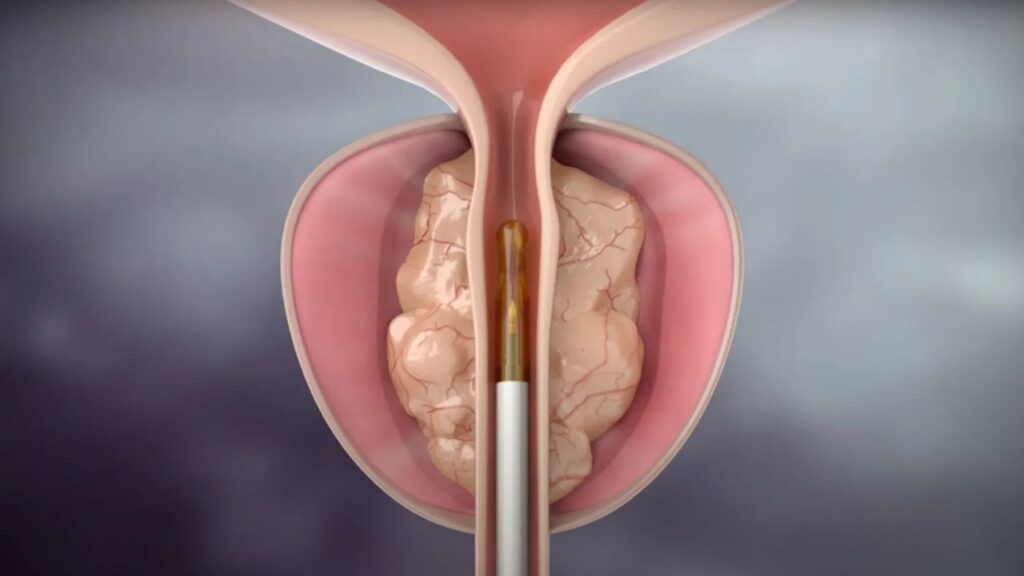
For individuals exploring treatment options for benign prostatic hyperplasia (BPH) in Thrissur, Rezum therapy is a minimally invasive approach designed to reduce prostate-related urinary symptoms using targeted thermal energy. Rezum therapy uses controlled water vapor to treat excess prostate tissue that contributes to urinary obstruction. This method focuses on symptom relief while preserving surrounding structures and minimizing recovery time. Understanding how Rezum therapy works, what the procedure involves, and what outcomes to expect can help patients make informed treatment decisions.
1. Understanding Rezum Therapy
Rezum therapy is a minimally invasive procedure developed to treat symptoms caused by prostate enlargement. It uses thermal energy delivered through sterile water vapor to target and reduce excess prostate tissue. When the vapor is applied, the heat causes affected cells to break down naturally over time. The body then absorbs the treated tissue, allowing the prostate to shrink and relieving pressure on the urethra.
This approach avoids large incisions and is designed to minimize damage to surrounding structures, supporting faster recovery and reduced discomfort.
2. How Rezum Therapy Works
The core principle of Rezum therapy is convective water vapor energy. During the procedure, a specialized device delivers short bursts of steam directly into targeted prostate tissue. The heat disrupts the structure of enlarged tissue cells, leading to gradual tissue reduction.
Key steps involved include:
Controlled delivery of water vapor
Targeted treatment of enlarged prostate areas
Natural absorption of treated tissue by the body
Progressive improvement in urinary flow
The treatment focuses on precise tissue targeting to preserve healthy surrounding areas.
3. Who May Benefit From Rezum Therapy
Rezum therapy is commonly considered for individuals experiencing moderate to severe urinary symptoms related to prostate enlargement. It may be suitable for those who prefer minimally invasive options or wish to avoid long-term medication use.
Potential candidates often include individuals with:
Frequent urination
Weak urine stream
Difficulty starting urination
Nighttime urination
Sensation of incomplete bladder emptying
Eligibility is determined after proper clinical evaluation and diagnostic testing.
4. Advantages Of Rezum Therapy
Rezum therapy offers several potential advantages compared to more invasive procedures. It focuses on minimizing tissue damage while achieving symptom relief.
Key advantages include:
Minimally invasive approach
Short procedure duration
Outpatient treatment setting
Reduced hospital stay
Preservation of surrounding tissue
These benefits make Rezum therapy an appealing option for selected patients.
5. Possible Temporary Side Effects
As with any medical procedure, Rezum therapy may involve temporary side effects. These are generally mild and improve during recovery.
Possible temporary effects include:
Urinary irritation
Temporary difficulty urinating
Mild pelvic discomfort
Temporary catheter use in some cases
Patients are monitored during follow-up visits to ensure proper healing.
6. Long-Term Outcome Expectations
Long-term outcomes depend on individual health factors, prostate size, and treatment response. Many patients experience sustained symptom relief and improved quality of life.
Long-term benefits may include:
Stable urinary function
Reduced symptom recurrence
Improved daily comfort
Better sleep quality
Ongoing follow-up helps maintain long-term results.
7. Comparison With Other Treatment Approaches
Rezum therapy is one of several treatment options available for managing BPH. Unlike medication-based treatment, it directly targets excess prostate tissue. Compared to traditional surgery, it involves less tissue removal and shorter recovery time.
Treatment selection depends on symptom severity, prostate anatomy, patient preference, and clinical evaluation.
8. Importance Of Early Treatment
Early management of prostate enlargement symptoms can help prevent complications such as urinary retention and bladder strain. Rezum therapy may be considered as part of early intervention strategies for appropriate candidates.
Timely treatment supports better long-term urinary health.
9. Monitoring Treatment Success
Treatment success is evaluated based on symptom improvement, urine flow measurements, and patient comfort levels. Monitoring allows healthcare providers to assess response and adjust care plans when necessary.
Ongoing evaluation supports sustained results.
10. Final Overview Of Rezum Therapy
Rezum therapy is a minimally invasive treatment option designed to reduce prostate-related urinary symptoms by targeting excess tissue with controlled water vapor energy. It offers symptom relief while supporting faster recovery and reduced procedural impact. Patients often experience gradual improvement in urinary function and quality of life following treatment. For individuals considering BPH management in Thrissur, understanding Rezum therapy helps support informed healthcare decisions and realistic treatment expectations.
table of content
Good candidates are men with moderate urinary symptoms caused by benign prostate enlargement who prefer a non-surgical treatment option. Candidates
The cost of Rezum therapy varies based on hospital facilities, procedure setup, clinical evaluation, and postoperative care requirements. Cost
During the consultation, the doctor reviews urinary symptoms, assesses prostate size, evaluates test results, and explains the treatment plan. Consultation
You should ask about eligibility, procedure steps, recovery time, expected symptom improvement, and possible side effects. Questions
Risks may include temporary urinary discomfort, frequent urination, mild bleeding, infection, or short-term urinary retention. Risks
Preparation includes medical evaluation, medication review, following pre-procedure instructions, and arranging short-term post-treatment support. Preparation
Frequently Asked Questions
1. What is Rezum therapy used for?
Rezum therapy is used to treat urinary symptoms caused by benign prostatic hyperplasia by reducing excess prostate tissue.
2. How does Rezum therapy work?
It uses controlled water vapor energy to target enlarged prostate tissue, which is gradually absorbed by the body.
3. Is Rezum therapy a surgical procedure?
Rezum therapy is a minimally invasive procedure and does not involve major surgical incisions.
4. How long does the Rezum therapy procedure take?
The procedure is typically short and is performed in an outpatient setting.
5. When can I expect symptom improvement after Rezum therapy?
Some improvement may begin within weeks, with continued progress over several months.
6. Is hospitalization required for Rezum therapy?
Most patients can return home the same day after the procedure.
7. Are there temporary side effects after Rezum therapy?
Temporary urinary discomfort, frequency, or mild irritation may occur during early recovery.
8. Who is a suitable candidate for Rezum therapy?
Individuals with moderate to severe urinary symptoms caused by prostate enlargement may be suitable candidates after evaluation.
9. Does Rezum therapy provide long-term results?
Many patients experience sustained symptom relief with proper follow-up care.
10. Is follow-up necessary after Rezum therapy?
Yes, follow-up visits help monitor recovery and treatment success.