Rezum Treatment Risks and Side Effects in Dubai: Possible Complications, Recovery Concerns, and Patient Care Overview
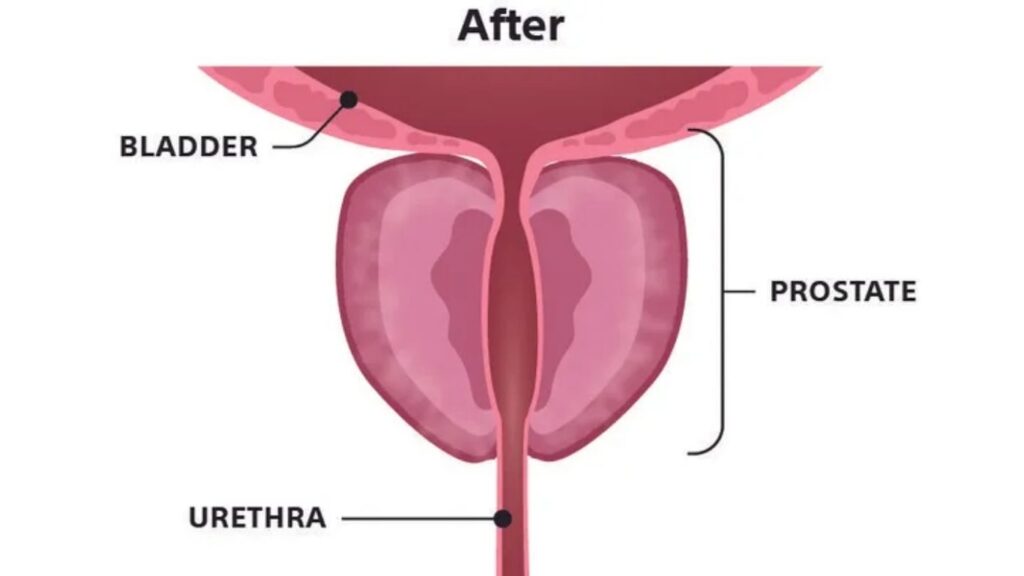
For individuals exploring minimally invasive options for prostate enlargement, understanding Rezum treatment risks and side effects in Dubai is an important part of informed decision-making. In Kerala, many patients researching treatment options also focus on safety, recovery expectations, and possible complications before proceeding with therapy. Rezum therapy is designed to reduce urinary symptoms caused by benign prostatic hyperplasia using targeted water vapor technology, but like any medical procedure, it may involve certain temporary effects and clinical considerations.
1. Understanding Rezum Therapy And Its Purpose
Rezum therapy is a minimally invasive procedure used to manage urinary symptoms related to prostate enlargement. The treatment works by delivering controlled water vapor into the prostate tissue, which gradually reduces excess tissue and improves urine flow over time.
Although it is considered a safer alternative to more invasive surgical procedures, understanding possible risks and side effects helps patients prepare for recovery and recognize normal healing responses.
2. Why Risks And Side Effects Should Be Discussed Before Treatment
Every medical procedure has potential outcomes that vary among individuals. Discussing risks and side effects before undergoing Rezum therapy allows patients to make realistic decisions and prepare mentally for recovery.
Awareness also helps distinguish between expected temporary symptoms and conditions that require medical attention. Proper counseling before treatment improves patient confidence and satisfaction.
3. Common Short-Term Side Effects After Rezum Therapy
Short-term side effects are the most frequently experienced reactions following the procedure. These effects usually occur during the early healing phase and gradually resolve over time.
Patients may experience urinary discomfort, mild burning sensation during urination, or increased urinary frequency. These symptoms are often temporary and improve as the treated tissue heals.
4. Temporary Urinary Symptoms During Recovery
Following Rezum therapy, the prostate tissue undergoes a natural healing process. During this phase, patients may notice changes in urination patterns.
Temporary urgency, weak stream, or a sensation of incomplete emptying can occur in the early weeks. These symptoms are part of the body’s response to tissue reduction and inflammation and typically improve gradually.
5. Possibility Of Mild Pain Or Discomfort
Some patients may experience mild pelvic discomfort after the procedure. This discomfort is usually short-term and manageable with prescribed medications and rest.
Pain levels vary based on individual tolerance, prostate size, and procedural factors. In most cases, discomfort reduces significantly within a few days.
6. Temporary Blood In Urine Or Semen
Minor bleeding-related symptoms may occur after Rezum therapy. Blood in urine or semen is sometimes observed during the initial recovery period.
These symptoms generally resolve without intervention and are considered part of the healing process. Persistent or heavy bleeding should be evaluated clinically.
7. Risk Of Urinary Retention
Urinary retention may occur temporarily in some individuals following the procedure. This condition happens when swelling affects urine flow during the early recovery phase.
A catheter may be required for a short duration to support bladder emptying until normal function improves.
8. Infection-Related Risks
Although rare, infections can occur after any medical procedure. Urinary tract infections may develop if bacteria enter the urinary system during or after treatment.
Symptoms such as fever, persistent pain, or burning urination may require medical evaluation and treatment with medications.
9. Swelling And Inflammation Of Prostate Tissue
Rezum therapy works by causing controlled tissue damage to reduce prostate size. As a result, swelling and inflammation can occur temporarily.
This response is part of the therapeutic process and usually subsides gradually as healing progresses.
10. Changes In Ejaculation
Some individuals may notice temporary changes in ejaculation following treatment. These changes may include reduced semen volume or altered ejaculation patterns.
Such effects vary among patients and may improve with time as healing continues.
11. Impact On Sexual Function
Rezum therapy is designed to preserve sexual function, but individual experiences may vary. Temporary changes in comfort or performance can occur during early recovery.
Long-term effects are generally minimal compared with more invasive prostate procedures.
12. Risk Of Symptom Persistence
In some cases, urinary symptoms may not improve immediately after treatment. Rezum therapy works gradually, and symptom relief may take several weeks or months.
Understanding this timeline helps prevent unrealistic expectations during recovery.
13. Need For Additional Treatment In Some Cases
Not all patients respond to treatment in the same way. Some individuals may require additional procedures or alternative therapies if symptoms persist.
Follow-up evaluations help determine treatment effectiveness and guide further care decisions.
14. Factors That Influence Risk Levels
Risk levels vary based on several factors, including prostate size, severity of symptoms, overall health, and adherence to post-treatment care instructions.
Individual medical history plays a significant role in recovery outcomes and side effect patterns.
15. Importance Of Post-Treatment Monitoring
Regular follow-up visits help monitor healing and identify any complications early. Clinical assessments may include symptom review, urine tests, and imaging if required.
Monitoring ensures timely management of any unexpected reactions.
16. Lifestyle Considerations During Recovery
Patients may be advised to follow certain lifestyle precautions after treatment. Adequate hydration, avoiding heavy lifting, and limiting strenuous activities support smoother healing.
Following medical guidance reduces the likelihood of complications and improves comfort.
17. Recognizing Normal Healing Versus Warning Signs
Understanding what is normal during recovery is essential. Temporary urinary changes, mild discomfort, and gradual symptom improvement are expected.
However, severe pain, high fever, persistent bleeding, or inability to urinate require prompt medical attention.
18. Psychological Concerns Related To Side Effects
Some patients may experience anxiety about temporary symptoms. Clear communication about expected side effects reduces stress and improves overall treatment experience.
Support from healthcare professionals and family members can help patients navigate recovery confidently.
19. Long-Term Safety Profile Of Rezum Therapy
Rezum therapy is generally considered a safe and minimally invasive option for managing prostate enlargement. Long-term safety is supported by gradual symptom improvement and preservation of surrounding tissues.
Most side effects are temporary and resolve without long-term complications.
20. Preparing For Possible Side Effects Before Treatment
Patients benefit from preparing for recovery in advance. Understanding possible symptoms, arranging home support, and planning rest periods help ensure a smoother healing phase.
Preparation reduces uncertainty and improves confidence before treatment.
21. Communication With Healthcare Providers
Open discussion about symptoms, concerns, and expectations is essential. Patients should report any unusual reactions during recovery to ensure timely medical guidance.
Effective communication supports better outcomes and safer recovery experiences.
22. Role Of Follow-Up Care In Managing Risks
Follow-up care allows healthcare providers to assess treatment effectiveness and address concerns early. Scheduled visits help monitor progress and adjust recovery guidance if needed.
Consistent follow-up contributes to long-term symptom management.
23. Understanding Individual Recovery Patterns
Recovery timelines differ among individuals. Some patients experience early improvement, while others notice gradual changes over several months.
Individual healing patterns depend on medical history, age, and lifestyle factors.
24. Importance Of Patient Awareness And Education
Education about risks and side effects improves treatment readiness. Patients who understand recovery stages are better prepared to manage symptoms and follow instructions.
Awareness also supports realistic expectations and reduces anxiety.
25. Overall Overview Of Rezum Treatment Risks And Side Effects
Rezum treatment risks and side effects in Dubai primarily involve temporary urinary symptoms, mild discomfort, and gradual healing-related changes. Serious complications are uncommon, and most effects improve with time and proper care.
For individuals researching minimally invasive prostate treatments in Kerala, understanding these risks helps build confidence and supports informed decision-making before undergoing therapy.
Table of Contents
Introduction
Consultation process, evaluation steps, and factors influencing the cost of Rezum treatment. Learn more
Consultation
What happens during a Rezum consultation and how treatment suitability is assessed. Learn more
Cost
Factors that influence the cost of Rezum treatment and what it typically includes. Learn more
Steps
Step-by-step explanation of how Rezum therapy is performed. Learn more
Before and After
Expected changes in symptoms and quality of life before and after Rezum therapy. Learn more
Frequently Asked Questions
1. What are the common side effects after Rezum treatment?
Common side effects include temporary urinary discomfort, mild burning during urination, and increased urinary frequency during early recovery.
2. How long do Rezum therapy side effects usually last?
Most side effects are temporary and gradually improve over a few weeks as healing progresses.
3. Is pain normal after Rezum treatment?
Mild discomfort or pelvic pain may occur initially and usually settles with time and prescribed medications.
4. Can there be blood in urine after Rezum therapy?
Yes, minor blood in urine or semen may occur during the early healing phase and typically resolves on its own.
5. Is urinary retention a possible risk after Rezum therapy?
Temporary urinary retention may occur due to swelling, and a catheter may be required for a short period.
6. Are infections common after Rezum treatment?
Infections are uncommon but possible; symptoms like fever or persistent burning urination should be evaluated.
7. Does Rezum therapy affect sexual function?
Most patients maintain sexual function, though temporary changes may occur during recovery.
8. When should I seek medical help after Rezum therapy?
Medical attention is needed if there is severe pain, high fever, heavy bleeding, or difficulty urinating.
9. Can Rezum therapy symptoms return after treatment?
In some cases, symptoms may persist or recur, and further evaluation or treatment may be required.
10. Is Rezum therapy considered a safe procedure?
It is generally considered a safe and minimally invasive treatment when performed after proper evaluation and follow-up care.