
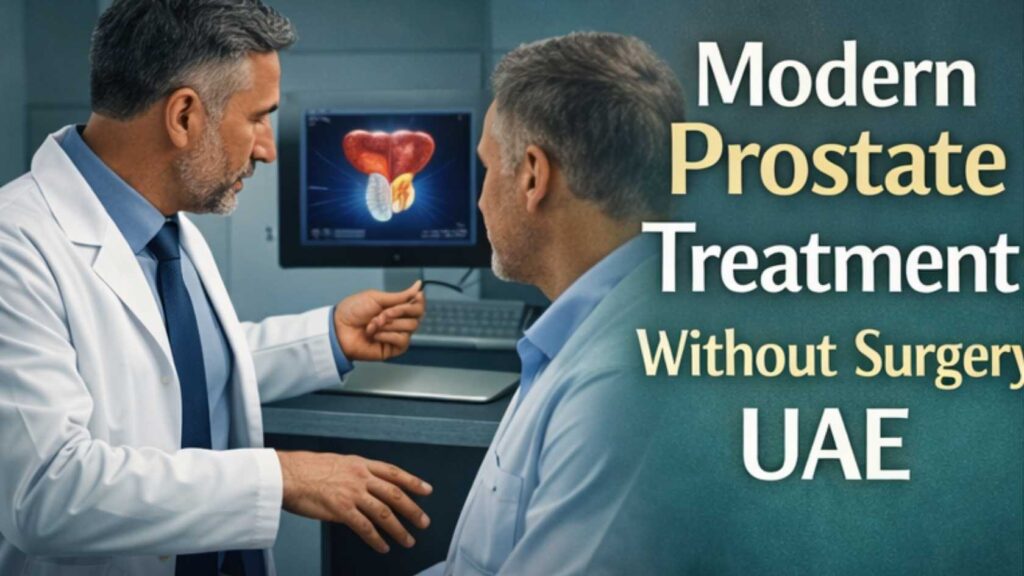
Modern Prostate Treatment Without Surgery UAE
Modern prostate treatment without surgery UAE refers to advanced medical approaches designed to manage prostate enlargement and related urinary symptoms without performing major surgical procedures. As men age, the prostate gland may gradually increase in size, leading to a condition called benign prostatic hyperplasia (BPH). This enlargement can compress the urethra and disrupt the normal flow of urine. Non-surgical prostate treatments aim to relieve this obstruction while preserving normal urinary and sexual function, offering a safer and more comfortable alternative to traditional surgery.
With advances in medical technology, several minimally invasive treatment methods are now available that reduce prostate tissue, improve urinary flow, and minimize recovery time. These modern treatments provide effective symptom relief while allowing patients to return to daily activities quickly.
Understanding Prostate Enlargement
The prostate is a small gland located below the bladder and around the urethra. Its primary function is to contribute fluid to semen during reproduction. Over time, hormonal changes may cause the prostate to grow larger. This condition is known as benign prostatic hyperplasia.
Although BPH is not cancerous, it can lead to several uncomfortable urinary symptoms, including:
Weak urine stream
Difficulty starting urination
Frequent urination during the day
Waking up multiple times at night to urinate
Urgency to urinate
Incomplete bladder emptying
These symptoms occur because the enlarged prostate compresses the urethra, restricting urine flow and forcing the bladder to work harder.
Why Patients Seek Treatment Without Surgery
Traditional surgical treatments for prostate enlargement can be effective, but they may involve longer recovery periods, hospital stays, and a higher risk of complications.
Many patients now prefer non-surgical treatment options because they offer several benefits:
Minimal tissue damage
Faster recovery time
Lower risk of complications
Shorter treatment sessions
Preservation of normal prostate function
These modern therapies aim to relieve urinary obstruction while minimizing disruption to surrounding tissues.
Modern Non-Surgical Prostate Treatments
Advances in urology have introduced several minimally invasive procedures designed to treat prostate enlargement effectively without open surgery.
Water Vapor Therapy
Water vapor therapy is a minimally invasive treatment that uses controlled steam energy to reduce enlarged prostate tissue. A specialized device delivers small bursts of steam directly into the prostate.
The heat from the steam destroys the obstructive tissue, which is gradually absorbed by the body over time. As the prostate shrinks, the pressure on the urethra decreases and urine flow improves.
Benefits of water vapor therapy include:
No major incisions
Short procedure time
Outpatient treatment
Gradual natural healing
Prostatic Urethral Lift
Another modern treatment option involves placing small implants that gently pull prostate tissue away from the urethra. This technique opens the urinary channel without removing prostate tissue.
Advantages of this method include:
Immediate improvement in urine flow
Minimal recovery time
Reduced risk of sexual side effects
No removal of prostate tissue
Laser-Based Therapies
Laser technology can also be used to treat prostate enlargement. Laser treatments use focused light energy to remove or vaporize excess prostate tissue blocking the urethra.
Laser therapy offers several benefits:
Reduced bleeding risk
Precise treatment of obstructive tissue
Shorter recovery period compared with traditional surgery
These procedures are typically performed with minimally invasive techniques that reduce trauma to surrounding structures.
Medication-Based Treatment
In some cases, medications may help manage symptoms of prostate enlargement. Medications are often recommended when symptoms are mild or moderate.
Common medication types include:
Alpha-blockers that relax prostate and bladder muscles
5-alpha reductase inhibitors that reduce prostate size over time
Combination therapies for stronger symptom control
Although medications may relieve symptoms, they often require long-term use and regular monitoring.
Evaluation Before Treatment
Before recommending a specific treatment, a comprehensive evaluation is usually performed to determine the cause and severity of urinary symptoms.
The evaluation process may include:
Medical history review
Physical examination
Urine flow test
Ultrasound imaging of the prostate
Post-void residual urine measurement
Blood tests such as PSA screening
These tests help confirm prostate enlargement and guide treatment planning.
Benefits of Modern Non-Surgical Treatments
Modern prostate treatments without surgery provide several advantages for patients seeking symptom relief.
Minimally Invasive Approach
Most procedures are performed using small instruments inserted through the urethra, avoiding large surgical incisions.
Faster Recovery
Because these treatments cause minimal tissue damage, recovery time is usually shorter compared with traditional surgery.
Reduced Risk of Complications
Minimally invasive techniques lower the likelihood of complications such as bleeding or infection.
Preservation of Sexual Function
Many modern treatments are designed to reduce the risk of erectile dysfunction or ejaculatory problems.
Improved Quality of Life
Relieving urinary obstruction can significantly improve sleep quality, daily comfort, and confidence.
What to Expect After Treatment
Recovery experiences vary depending on the specific treatment method used. However, many patients notice gradual improvement in urinary symptoms over time.
Temporary effects during recovery may include:
Mild burning during urination
Increased urinary frequency
Slight discomfort in the pelvic area
Small amounts of blood in urine
These symptoms typically resolve as the prostate tissue heals.
Most patients return to normal daily activities within a few days after treatment.
Long-Term Results
Modern non-surgical prostate treatments are designed to provide long-term relief from urinary symptoms. As the treated prostate tissue shrinks or shifts away from the urethra, urine flow improves and bladder pressure decreases.
Patients often experience:
Stronger urine stream
Reduced nighttime urination
Better bladder emptying
Improved sleep quality
Increased overall comfort
Regular follow-up visits help monitor progress and ensure that symptoms remain well controlled.
Lifestyle Changes That Support Prostate Health
In addition to medical treatment, lifestyle adjustments can help reduce urinary symptoms and support prostate health.
Helpful lifestyle habits include:
Maintaining a healthy body weight
Staying physically active
Limiting caffeine and alcohol consumption
Drinking adequate fluids during the day
Avoiding excessive fluid intake before bedtime
These habits can complement medical treatment and improve long-term urinary comfort.
Importance of Early Medical Evaluation
Ignoring urinary symptoms may allow prostate enlargement to progress and lead to complications such as:
Urinary retention
Recurrent urinary infections
Bladder damage
Kidney problems in severe cases
Early evaluation allows for timely diagnosis and appropriate treatment before symptoms worsen.
Final Thoughts
Modern prostate treatments without surgery offer effective solutions for managing urinary symptoms caused by prostate enlargement. By using minimally invasive techniques and advanced medical technologies, these treatments reduce prostate obstruction while minimizing recovery time and complications. Patients experiencing bothersome urinary symptoms can benefit from early evaluation and personalized treatment planning. With continued advancements in minimally invasive therapies, managing prostate enlargement has become safer, more convenient, and more effective for patients across the UAE.
Frequently Asked Questions
1. What is modern prostate treatment without surgery?
Modern prostate treatment without surgery refers to minimally invasive therapies and medications used to relieve symptoms of prostate enlargement without performing traditional surgical procedures.
2. What causes prostate enlargement?
Prostate enlargement, also known as benign prostatic hyperplasia (BPH), usually occurs due to age-related hormonal changes that cause the prostate gland to grow and compress the urethra.
3. What are the common symptoms of prostate enlargement?
Common symptoms include weak urine flow, difficulty starting urination, frequent urination, urgency, waking up at night to urinate, and a feeling of incomplete bladder emptying.
4. What non-surgical treatments are available for prostate enlargement?
Non-surgical treatments may include medications, water vapor therapy, prostatic urethral lift procedures, and minimally invasive laser therapies.
5. Who is a suitable candidate for non-surgical prostate treatment?
Men with mild to moderate urinary symptoms caused by prostate enlargement who want to avoid major surgery may be suitable candidates after medical evaluation.
6. How long does recovery take after minimally invasive prostate treatment?
Many patients return to normal daily activities within a few days, although complete symptom improvement may take several weeks.
7. Are non-surgical prostate treatments safe?
Yes, modern minimally invasive treatments are generally considered safe when performed after proper medical evaluation and monitoring.
8. Do non-surgical treatments affect sexual function?
Many modern treatments aim to preserve sexual function and have a lower risk of long-term sexual side effects compared with traditional prostate surgery.
9. When should someone seek treatment for prostate enlargement?
Medical evaluation is recommended when urinary symptoms begin affecting sleep, daily activities, or overall quality of life.
10. Can lifestyle changes help with prostate enlargement symptoms?
Healthy habits such as maintaining a balanced diet, regular exercise, limiting caffeine and alcohol, and staying hydrated can support prostate health.