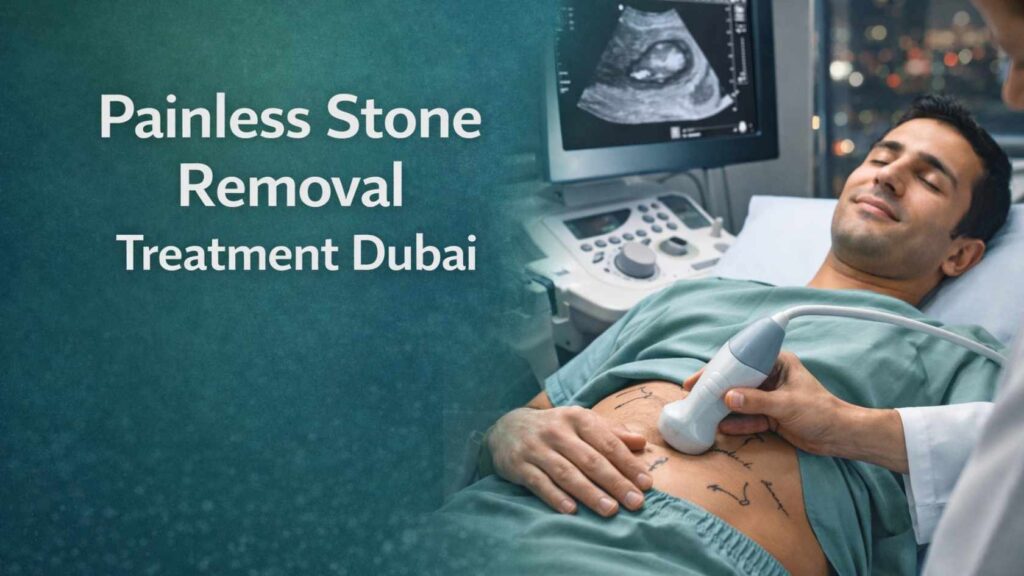
Painless Stone Removal Treatment Dubai
Painless stone removal treatment Dubai refers to advanced medical procedures designed to remove kidney stones with minimal discomfort, reduced recovery time, and improved patient comfort. Kidney stones are hard mineral deposits that form in the kidneys and can cause severe pain when they move through the urinary tract. Modern treatment options now focus on minimizing pain during and after the procedure while ensuring effective removal of stones.
With the development of minimally invasive technologies, many stone removal procedures can now be performed with little to no pain. These treatments use advanced equipment, precise techniques, and improved anesthesia methods to ensure a smoother and more comfortable experience for patients.
Understanding Kidney Stones
Kidney stones are formed when minerals and salts in the urine become concentrated and crystallize. Over time, these crystals may combine to form solid stones inside the kidneys.
Common causes of kidney stones include:
Dehydration
High intake of salt or certain proteins
Excess calcium or uric acid in urine
Family history of kidney stones
Certain medical conditions
Kidney stones can vary in size. Small stones may pass naturally through urine, while larger stones may require medical treatment.
Symptoms of Kidney Stones
Kidney stones often do not cause symptoms until they begin moving within the urinary tract. When they block the flow of urine, they can cause intense pain.
Common symptoms include:
Severe pain in the back or side
Pain radiating to the lower abdomen or groin
Blood in urine
Nausea and vomiting
Frequent urge to urinate
Burning sensation during urination
These symptoms may vary depending on the size and location of the stone.
What Is Painless Stone Removal Treatment?
Painless stone removal treatment refers to minimally invasive procedures that remove or break kidney stones without causing significant discomfort to the patient. These treatments are performed using advanced technology and are usually carried out under anesthesia or sedation to ensure patient comfort.
The goal of painless treatment is to:
Eliminate or break kidney stones
Reduce pain during the procedure
Minimize recovery time
Prevent complications
Modern treatments aim to provide effective results while ensuring a smooth and comfortable patient experience.
Types of Painless Stone Removal Treatments
Several modern techniques are available for painless kidney stone removal. The choice of treatment depends on the size, location, and type of the stone.
Laser Lithotripsy
Laser lithotripsy is one of the most commonly used painless stone removal methods. It involves using a laser to break the stone into small fragments.
How it works:
A thin instrument is inserted through the urinary tract
The stone is located using a camera
Laser energy is applied to break the stone
Fragments are removed or passed naturally
This method is highly precise and minimizes damage to surrounding tissues.
Extracorporeal Shock Wave Lithotripsy (ESWL)
ESWL is a non-invasive treatment that uses sound waves to break kidney stones from outside the body.
Key features:
No incisions required
Performed as an outpatient procedure
Stones are broken into small particles
Fragments pass naturally through urine
This treatment is suitable for smaller stones and offers a comfortable experience.
Ureteroscopy
Ureteroscopy involves inserting a thin scope through the urinary tract to directly visualize and treat stones.
Advantages:
Direct access to stones
Suitable for stones in the ureter or kidney
Can be combined with laser treatment
Minimal recovery time
This procedure is commonly used for stones that cannot be treated with ESWL.
Percutaneous Nephrolithotomy (PCNL)
For larger stones, a minimally invasive procedure called PCNL may be used. It involves creating a small opening in the back to remove stones.
Benefits include:
Effective for large or complex stones
High success rate
Reduced need for repeat procedures
Although slightly more invasive than other options, modern techniques still aim to minimize discomfort.
Why Modern Stone Removal Is Considered Painless
Advancements in medical technology and anesthesia have made stone removal procedures much more comfortable.
Key reasons include:
Use of Anesthesia
Most procedures are performed under local, regional, or general anesthesia, ensuring that patients do not feel pain during treatment.
Minimally Invasive Techniques
Procedures use natural urinary pathways or very small incisions, reducing tissue damage.
Precision Technology
Modern equipment allows accurate targeting of stones, minimizing unnecessary injury.
Improved Post-Treatment Care
Pain management and recovery support help reduce discomfort after the procedure.
Who Needs Painless Stone Removal Treatment?
Painless stone removal may be recommended for individuals who:
Have kidney stones that are too large to pass naturally
Experience severe pain
Have stones causing urinary blockage
Have recurrent kidney stones
Develop infections related to stones
Treatment selection depends on medical evaluation and diagnostic findings.
What to Expect Before the Procedure
Before treatment, patients usually undergo several tests to determine the best approach.
Common pre-treatment steps include:
Imaging tests such as ultrasound or CT scan
Urine and blood tests
Medical history evaluation
Assessment of stone size and location
Patients may also receive instructions regarding fasting or medication adjustments.
What Happens During the Procedure
The procedure varies depending on the treatment type, but most painless stone removal methods follow similar steps.
During treatment:
Anesthesia is administered
A device or scope is used to locate the stone
The stone is broken or removed
Fragments are cleared or left to pass naturally
The duration of the procedure depends on the complexity of the case.
Recovery After Treatment
Recovery from painless stone removal procedures is usually quick and comfortable.
Patients may experience:
Mild discomfort during urination
Small amounts of blood in urine
Passing stone fragments
Temporary urinary frequency
These symptoms typically improve within a few days.
Most individuals can return to normal activities shortly after treatment.
Benefits of Painless Stone Removal
Modern stone removal treatments offer several advantages:
Reduced pain during and after the procedure
Faster recovery time
Minimal hospital stay
High success rates
Lower risk of complications
These benefits make minimally invasive stone removal a preferred option for many patients.
Preventing Future Kidney Stones
After treatment, preventive measures can help reduce the risk of recurrence.
Helpful steps include:
Drinking adequate water
Reducing salt intake
Maintaining a balanced diet
Managing underlying health conditions
Following medical advice
Regular follow-up may also help monitor kidney health.
Long-Term Outcomes
Most patients experience complete relief from symptoms after successful stone removal. Once the stones are removed or passed, pain and urinary discomfort usually resolve.
With proper care and lifestyle changes, the risk of future stone formation can be reduced significantly.
Final Thoughts
Painless stone removal treatment represents a major advancement in kidney stone care. By combining minimally invasive techniques, advanced technology, and effective pain management, modern procedures provide safe and comfortable solutions for removing kidney stones. Patients can achieve relief from symptoms without the need for major surgery or prolonged recovery. With continued improvements in urology care, painless stone removal treatment remains an effective and patient-friendly option for managing kidney stones in Dubai.
Frequently Asked Questions
1. What is painless stone removal treatment?
Painless stone removal treatment refers to modern minimally invasive procedures used to remove kidney stones with little to no discomfort using advanced technology and anesthesia.
2. Which procedures are used for painless kidney stone removal?
Common methods include laser lithotripsy, shock wave lithotripsy (ESWL), ureteroscopy, and minimally invasive procedures for larger stones.
3. Is stone removal completely painless?
Most procedures are performed under anesthesia or sedation, so patients do not feel pain during the treatment. Mild discomfort may occur during recovery.
4. Who is a suitable candidate for painless stone removal?
Patients with kidney stones causing pain, blockage, or infection, or stones too large to pass naturally, may be suitable candidates.
5. How long does the procedure take?
The duration depends on the size and location of the stone but usually ranges from 30 minutes to 1 hour.
6. What is the recovery time after treatment?
Most patients recover quickly and can return to normal activities within a few days.
7. Are there any side effects after stone removal?
Temporary effects may include mild pain during urination, slight blood in urine, or increased urinary frequency.
8. Can kidney stones come back after treatment?
Yes, kidney stones can recur, but proper hydration and lifestyle changes can help reduce the risk.
9. What precautions should be taken after stone removal?
Patients are advised to drink plenty of water, follow dietary guidelines, and attend follow-up visits.
10. Is painless stone removal safe?
Yes, modern minimally invasive stone removal procedures are generally safe when performed after proper evaluation.