Who Is Suitable for Rezum Treatment? A Complete Patient Guide
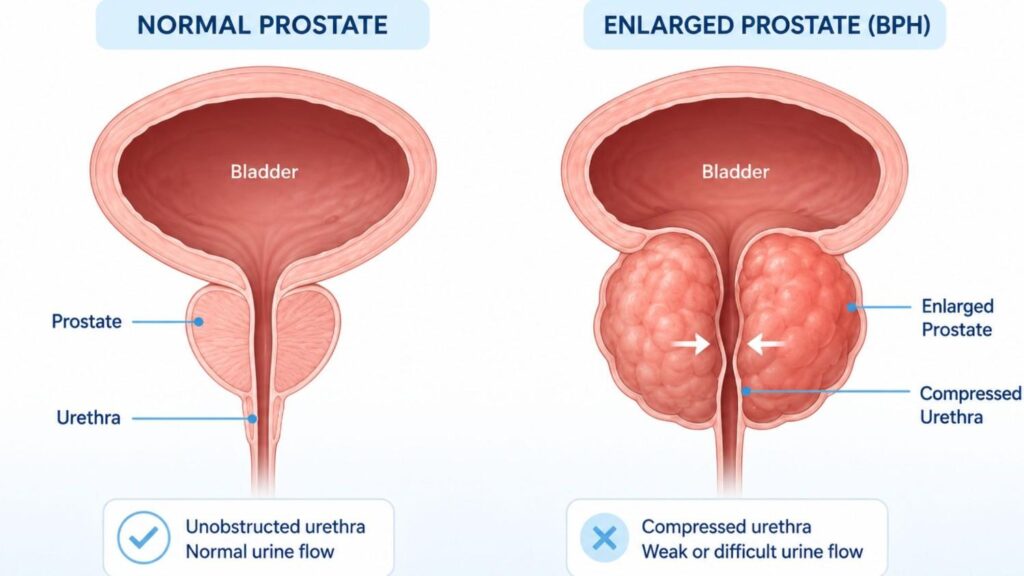
If you have been diagnosed with Benign Prostatic Hyperplasia (BPH) and are exploring your options, you may have come across Rezum Therapy as a minimally invasive alternative to surgery. But one of the most important questions men ask is: who is actually suitable for Rezum treatment?
This guide explains the ideal candidate criteria, which patients may not be recommended for Rezum, and how it fits within the broader landscape of BPH treatment options helping you have a more informed conversation with your urologist.
What Is Rezum Therapy?
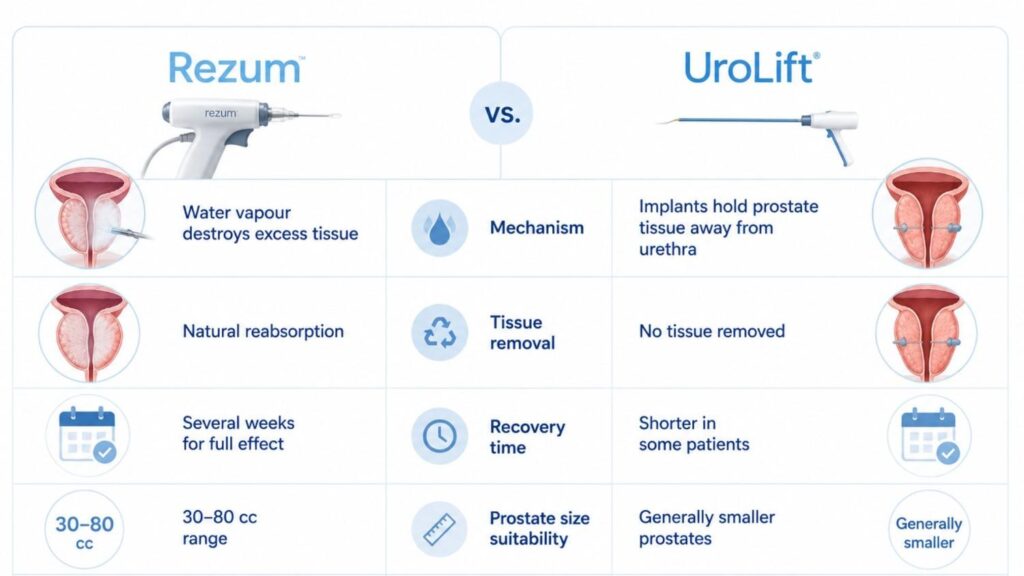
Rezum Therapy is a water vapour-based procedure used to reduce excess prostate tissue in men with BPH. During the treatment, controlled steam is delivered directly into the prostate through a small device inserted via the urethra. The thermal energy causes the targeted cells to die off naturally, and the body reabsorbs the treated tissue over several weeks.
The result is a reduction in prostate size, relief of urinary obstruction, and improved urine flow all without major surgical incisions or removal of tissue.Because it falls under the category of minimally invasive BPH treatment, Rezum has gained popularity among men who want effective results with a shorter recovery and fewer risks compared to traditional surgery.

Who Is Suitable for Rezum Treatment?
Not every man with BPH is automatically a candidate for Rezum. Suitability depends on several clinical factors evaluated by a urologist. The following criteria are generally associated with good candidacy.
1. Men With Confirmed BPH Diagnosis
Rezum is designed specifically to treat Benign Prostatic Hyperplasia. Before any recommendation is made, a formal diagnosis is required including symptom assessment, physical examination, urine tests, blood tests, and often an ultrasound to confirm prostate enlargement.
Men who have been diagnosed with BPH and experience bothersome lower urinary tract symptoms are considered potential candidates.
2. Moderate to Severe Urinary Symptoms
Rezum is generally recommended for men whose urinary symptoms are significantly affecting quality of life and where lifestyle changes or medications have not provided adequate relief.
Symptoms that may indicate candidacy include:
- Frequent urination, especially at night
- Weak or interrupted urine stream
- Difficulty starting urination
- A persistent feeling of incomplete bladder emptying
- Sudden urges to urinate
3. Prostate Size Within a Suitable Range
Rezum is considered effective for men with a prostate volume typically between 30 cc and 80 cc, though this range may vary based on individual clinical assessment. Men with very small or very large prostates may not achieve optimal results from Rezum alone, and other treatment options such as TURP or Plasma TURP may be more appropriate.
Your urologist will use imaging such as an ultrasound to measure prostate volume accurately before recommending Rezum.
5. Men Who Prefer to Preserve Sexual Function
One of the frequently cited advantages of Rezum compared to certain surgical options is its lower reported impact on ejaculatory function. For men who are concerned about sexual side effects, Rezum may be an appealing option to discuss with their urologist.
This does not mean Rezum is entirely free of risks all treatments carry potential side effects but this characteristic makes it worth exploring for men where preserving sexual health is a priority.
4. Men in Their 50s, 60s, and Beyond
BPH is most common in men over 50, and Rezum has been studied predominantly in men aged 50 and above. While age alone does not determine suitability, it is a relevant factor in the overall clinical evaluation.
Older men who wish to avoid major surgery and its associated risks are often well served by a minimally invasive option like Rezum — provided their prostate anatomy and symptom profile are appropriate.
6. Men Who Have Not Responded Well to Medications
Many men with BPH are initially managed with alpha-blockers or 5-alpha reductase inhibitors. When medications fail to provide adequate symptom control, or cause unacceptable side effects, Rezum offers a step up in treatment without the need for open surgery.
Who May Not Be Suitable for Rezum Treatment?
Understanding who Rezum may not be right for is equally important. Your urologist will consider the following before recommending Rezum:
- Very large prostate gland (typically above 80 cc) -surgical options may be more effective
- Active urinary tract infection – must be treated before any procedure
- Urinary retention requiring catheterisation – may indicate need for more definitive intervention
- Presence of a urethral stricture -may affect procedure delivery
- Certain implanted cardiac devices -requires careful evaluation prior to treatment
- Men whose BPH symptoms are still mild and well-managed – conservative treatment may still be appropriate
Only a qualified urologist can determine whether Rezum is the right choice after a thorough clinical evaluation.
How Does Rezum Compare to Other Minimally Invasive Options?
Men exploring minimally invasive BPH treatment often compare Rezum with UroLift, another popular option. Here is a brief overview:
What to Expect After Rezum Treatment
Following Rezum therapy, most patients experience a recovery period of two to four weeks before noticing significant symptom improvement. During this time, temporary urinary symptoms such as increased frequency or mild discomfort are common as the prostate tissue is reabsorbed.
Most men are able to return to normal daily activities relatively quickly compared to surgical alternatives. Follow-up appointments with your urologist are important to monitor progress and ensure the treatment is achieving the expected results.
When Should You Consult a Urologist?
If you are experiencing any of the urinary symptoms associated with BPH particularly if they are disrupting sleep, daily activities, or quality of life an early consultation is always advisable. A urologist can assess your condition, measure your prostate size, review your symptom severity, and determine whether Rezum or another form of BPH treatment is the most appropriate path forward.
Delaying evaluation can allow symptoms to progress and increase the risk of complications such as urinary retention, bladder damage, or kidney problems.
Conclusion
Understanding who is suitable for Rezum treatment is the first step toward making a confident, informed decision about BPH management. The ideal candidate is typically a man with a confirmed BPH diagnosis, moderate to severe urinary symptoms, a prostate volume within the treatable range, and a preference for a minimally invasive approach.
The best way to determine your own suitability is through a thorough consultation with a specialist urologist who can evaluate your individual anatomy, symptom burden, and treatment goals.
For further clinical reference on Benign Prostatic Hyperplasia, the Urology Care Foundation provides comprehensive, medically reviewed information.