BPH Treatment in Sharjah: Advanced Solutions for Enlarged Prostate Relief
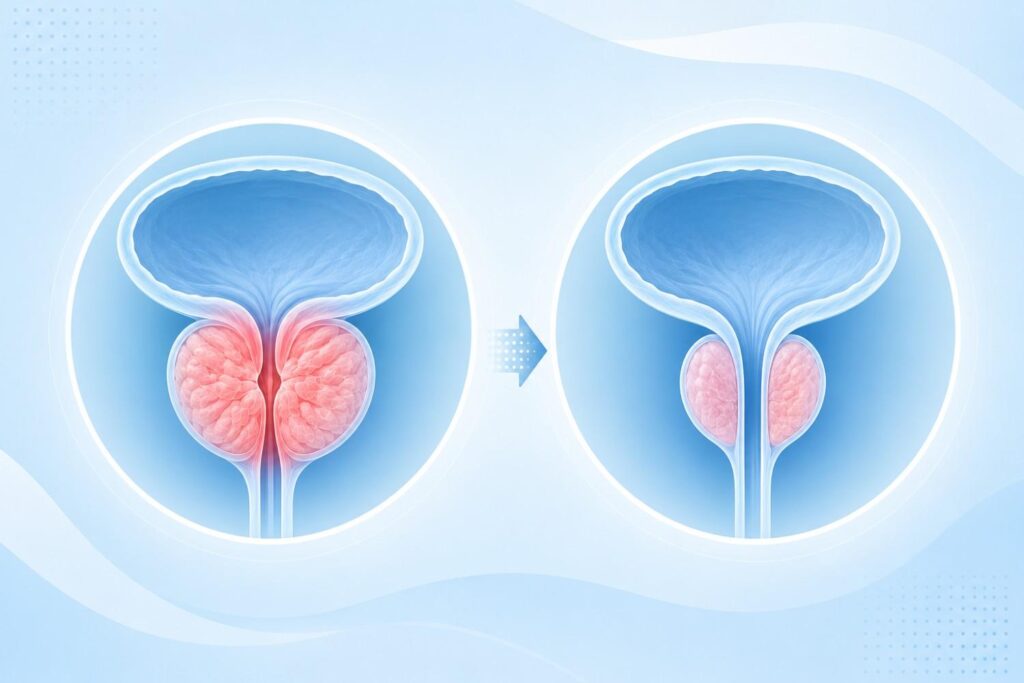
BPH treatment in Sharjah helps men manage urinary symptoms caused by Benign Prostatic Hyperplasia (BPH), a common condition in which the prostate gland enlarges with age. Symptoms such as frequent urination, weak urine flow, urgency, and waking multiple times at night can affect daily comfort, sleep quality, and overall wellbeing.
Seeking timely bph treatment in Sharjah can help prevent symptom progression and reduce the risk of urinary complications. Modern treatment options include lifestyle modifications, medications, minimally invasive procedures, and surgical treatments, allowing patients to receive care tailored to their individual needs and symptom severity.
What Is Benign Prostatic Hyperplasia (BPH)?
Benign Prostatic Hyperplasia, commonly known as BPH, is a non-cancerous enlargement of the prostate gland. The prostate is located below the bladder and surrounds the urethra, which carries urine from the bladder out of the body.
As the prostate enlarges, it can compress the urethra and interfere with normal urine flow. This can lead to various urinary symptoms that often worsen gradually over time.
BPH treatment in Sharjah focuses on relieving these symptoms, improving urinary function, and preventing long-term complications.
Why Does the Prostate Enlarge?
The exact cause of BPH is not fully understood, but age-related hormonal changes are believed to play a major role.
Factors associated with prostate enlargement include:
- Aging
- Hormonal changes involving testosterone and estrogen
- Family history of prostate enlargement
- Obesity
- Sedentary lifestyle
- Certain metabolic conditions
While prostate enlargement is common, not every man develops symptoms. Symptoms typically occur when the enlarged prostate begins to obstruct urine flow.
How Common Is BPH?
BPH is one of the most frequently diagnosed urological conditions among men.
Studies suggest that:
- Prostate enlargement often begins in men during their 40s.
- More than half of men over the age of 60 experience BPH-related symptoms.
- The prevalence continues to increase with advancing age.
As awareness of men’s health grows, more individuals are seeking BPH treatment in Sharjah before symptoms become severe.
Symptoms of an Enlarged Prostate
An enlarged prostate can cause a range of urinary symptoms that may develop slowly over time. Common symptoms include frequent urination, weak urine flow, urgency, difficulty starting urination, and waking up multiple times at night to urinate.
To understand the warning signs in detail and learn when medical evaluation may be necessary, read our guide on Symptoms of Enlarged Prostate.
Is BPH the Same as Prostate Cancer?
No. BPH and prostate cancer are different conditions.
BPH is a benign, non-cancerous enlargement of the prostate gland and does not turn into cancer. However, both conditions can occur in the same individual and may share certain symptoms.
Proper medical evaluation is essential to distinguish between prostate enlargement and other prostate-related conditions.
Seeking timely BPH treatment in Sharjah allows healthcare providers to assess symptoms thoroughly and recommend appropriate care.
How Is BPH Diagnosed?
Medical History Review
The doctor evaluates urinary symptoms, overall health, and symptom severity.
Physical Examination
A physical examination may include assessment of the prostate gland.
Urine Tests
Urine analysis helps identify infection or other urinary tract conditions.
Blood Tests
Blood tests may be used to assess prostate health and overall wellbeing.
Ultrasound Evaluation
Imaging studies may help evaluate prostate size and urinary tract health.
Urine Flow Assessment
Specialized tests can measure urinary flow and bladder function.
Treatment Options for BPH
Modern BPH treatment in Sharjah includes several effective options depending on symptom severity, prostate size, overall health, and patient preferences.
Lifestyle Modifications
Patients with mild symptoms may benefit from certain lifestyle adjustments.
These may include:
- Limiting evening fluid intake
- Reducing caffeine consumption
- Avoiding excessive alcohol
- Maintaining a healthy weight
- Staying physically active
- Following healthy bladder habits
Lifestyle measures can help reduce symptom burden in some individuals.
Medications for BPH
Medication may be recommended for patients with mild to moderate symptoms.
Common goals of medication include:
- Relaxing prostate and bladder neck muscles
- Improving urine flow
- Reducing prostate enlargement
- Managing urinary symptoms
Treatment selection depends on individual patient characteristics and symptom severity.
Minimally Invasive BPH Treatment in Sharjah
Advances in urology have introduced minimally invasive procedures that provide symptom relief with less downtime compared to traditional surgery.
Rezum Therapy
Rezum Therapy is an innovative treatment that uses the power of water vapor to shrink excess prostate tissue.
Potential benefits include:
- Minimally invasive approach
- No major surgical incision
- Short recovery period
- Preservation of normal anatomy
- Relief of urinary symptoms
Many patients seeking BPH treatment in Sharjah are interested in minimally invasive options that allow a quicker return to normal activities.
UroLift
UroLift is another minimally invasive procedure designed to improve urinary flow by lifting and holding enlarged prostate tissue away from the urethra.
Potential advantages include:
- No tissue removal
- Faster recovery
- Reduced treatment time
- Preservation of urinary function
Suitability depends on prostate anatomy and individual clinical evaluation.
Surgical Treatment Options for BPH
Patients with severe symptoms or significant obstruction may benefit from surgical intervention.
1) TURP (Transurethral Resection of the Prostate)
TURP remains one of the most commonly performed procedures for prostate enlargement.
The procedure involves removing obstructing prostate tissue to improve urine flow.
2) Plasma TURP
Plasma TURP is an advanced variation that uses modern technology to remove prostate tissue with precision.
Potential benefits include:
- Effective symptom relief
- Reduced bleeding
- Improved visualization
- Faster recovery in selected patients
Patients considering BPH treatment in Sharjah should discuss the advantages and limitations of each procedure with their urologist.
Possible Complications of Untreated BPH
Without appropriate management, BPH may lead to complications.
These may include:
- Urinary retention
- Recurrent urinary tract infections
- Bladder stones
- Bladder damage
- Kidney-related complications
- Progressive worsening of symptoms
This highlights the importance of timely evaluation and appropriate BPH treatment in Sharjah.
Recovery After BPH Treatment
Recovery varies depending on the type of treatment performed.
After Minimally Invasive Procedures
Patients may experience:
- Faster return to daily activities
- Shorter recovery periods
- Less discomfort
After Surgical Procedures
Recovery may involve:
- Temporary urinary symptoms
- Activity restrictions
- Follow-up appointments
- Gradual improvement in urinary flow
Following medical instructions carefully supports optimal recovery.
Conclusion
BPH treatment in Sharjah can help men effectively manage urinary symptoms caused by an enlarged prostate and improve overall quality of life. With modern treatment options ranging from medications to minimally invasive procedures and advanced surgical techniques, patients have access to personalized care based on their condition and symptoms.
Early evaluation and timely treatment can help prevent complications and support long-term urinary health. For more detailed medical information about Benign Prostatic Hyperplasia, visit the Urology Care Foundation’s guide to BPH.
Frequently Asked Questions
What is Benign Prostatic Hyperplasia (BPH)?
Benign Prostatic Hyperplasia (BPH) is a non-cancerous enlargement of the prostate gland that can affect normal urine flow and cause urinary symptoms in men, particularly as they age.
What are the common symptoms that may require BPH treatment in Sharjah?
Common symptoms include frequent urination, weak urine stream, urgency, difficulty starting urination, incomplete bladder emptying, and waking up multiple times at night to urinate.
Is BPH the same as prostate cancer?
No. BPH is a benign condition and does not turn into prostate cancer. However, both conditions can cause similar urinary symptoms, making medical evaluation important.
At what age does BPH usually occur?
BPH commonly develops in men over the age of 50, although prostate enlargement may begin earlier in some individuals.
How is BPH diagnosed?
Diagnosis may involve a medical history review, physical examination, urine tests, blood tests, imaging studies, and urine flow assessments to evaluate prostate health and urinary function.
Can BPH be treated without surgery?
Yes. Mild to moderate cases of BPH may be managed with lifestyle modifications, medications, or minimally invasive treatments, depending on symptom severity.
What is Rezum Therapy for BPH?
Rezum Therapy is a minimally invasive treatment that uses water vapor therapy to reduce excess prostate tissue and improve urinary symptoms caused by BPH.
What is the difference between UroLift and TURP?
UroLift is a minimally invasive procedure that lifts enlarged prostate tissue away from the urethra, while TURP involves removing obstructive prostate tissue to improve urine flow.
What happens if BPH is left untreated?
Untreated BPH may lead to worsening urinary symptoms, urinary retention, recurrent urinary tract infections, bladder stones, and other urinary complications.
When should I consult a urologist for BPH treatment?
You should consult a urologist if urinary symptoms become persistent, interfere with daily activities, affect sleep quality, or progressively worsen over time.