Recovery After BPH Treatment: Timeline, Healing, and What to Expect
Benign Prostatic Hyperplasia (BPH), commonly known as an enlarged prostate, can significantly affect a man’s quality of life by causing urinary difficulties, interrupted sleep, and discomfort during daily activities. Modern treatments for BPH range from medications and minimally invasive procedures to advanced therapies such as Rezum Therapy and UroLift. While treatment can effectively relieve symptoms, understanding recovery after BPH treatment is equally important for achieving the best possible outcomes.
Every patient experiences recovery differently depending on factors such as age, overall health, prostate size, severity of symptoms, and the type of treatment performed. Some men return to normal activities within a few days, while others may require several weeks to achieve full recovery and symptom improvement.
Patients considering treatment options can also explore our comprehensive guide to BPH Treatment in Sharjah to understand available therapies and personalized treatment approaches.This guide explains everything you need to know about recovery after BPH treatment, including healing timelines, symptom changes, lifestyle recommendations, and what to expect during the recovery process.
What Is Recovery After BPH Treatment?
Recovery after BPH treatment refers to the period during which the body heals and adapts following treatment for an enlarged prostate. During this time, patients may notice gradual improvements in urinary symptoms while temporary side effects slowly resolve.
The recovery process can involve:
- Healing of treated prostate tissue
- Reduction of inflammation
- Improved urine flow
- Better bladder emptying
- Reduced urinary urgency and frequency
Understanding the expected recovery process helps patients remain confident and prepared throughout their healing journey.
Why Recovery Differs Between Patients
Recovery after BPH treatment is not identical for every patient. Several factors influence healing speed and treatment outcomes.
Age
Older patients may require more time for tissue healing compared to younger individuals.
Prostate Size
Patients with significantly enlarged prostates may experience a longer recovery period.
Treatment Method
Recovery after medication differs greatly from recovery after Rezum Therapy, UroLift, or surgical procedures.
Overall Health
Existing medical conditions can affect healing and recovery speed.
Adherence to Medical Advice
Following post-treatment instructions carefully often leads to smoother recovery.
Recovery Timeline After BPH Treatment
First Few Days
Immediately after treatment, patients may experience mild discomfort, urinary urgency, or temporary irritation. Rest and hydration are usually recommended.
First Two Weeks
Many patients begin noticing gradual symptom stabilization. Temporary urinary symptoms may still be present but often become less noticeable.
One Month
Improvement in urinary flow and bladder emptying may become more evident depending on the treatment performed.
One to Three Months
Many patients experience significant symptom relief during this stage.
Long-Term Recovery
Full benefits often become apparent after several months as healing progresses and treated tissue is naturally reabsorbed by the body.
Common Symptoms During Recovery
Patients recovering from BPH treatment may experience temporary symptoms.
Increased Urinary Frequency
The bladder may remain sensitive during the early healing phase.
Mild Burning During Urination
Temporary irritation can occur as tissues recover.
Urinary Urgency
Some patients experience a stronger need to urinate during recovery.
Mild Blood in Urine
Small amounts of blood may occasionally appear temporarily after treatment.
Temporary Weak Stream
Improvement often occurs gradually rather than immediately.
These symptoms are usually temporary and improve with time.
Recovery After Medication-Based Treatment
Patients treated with medications generally experience minimal physical recovery requirements.
Benefits include:
- No surgical healing
- Immediate return to daily activities
- Minimal downtime
However, medications may require several weeks before noticeable symptom improvement occurs.
Patients should continue taking prescribed medications as directed and attend follow-up appointments to evaluate treatment effectiveness.
Recovery After Minimally Invasive BPH Procedures
Minimally invasive procedures have become increasingly popular because they often provide effective symptom relief with shorter recovery periods.
Advantages include:
- Reduced hospital stay
- Faster return to daily activities
- Lower risk of major complications
- Less postoperative discomfort
Recovery after minimally invasive BPH treatment is generally quicker compared to traditional surgery.
Recovery After Rezum Therapy
Rezum Therapy uses controlled water vapor energy to reduce enlarged prostate tissue.
What to Expect
Following treatment, patients may experience:
- Mild urinary discomfort
- Temporary urgency
- Increased urinary frequency
- Temporary catheter use in some cases
Symptom Improvement
Results usually develop gradually over several weeks as the body absorbs treated tissue.
Recovery Timeline
Most patients resume normal activities relatively quickly while continuing to experience progressive symptom improvement.
Recovery After UroLift
UroLift is a minimally invasive procedure designed to lift and hold enlarged prostate tissue away from the urethra.
Recovery Benefits
Patients often appreciate:
- Quick recovery
- Minimal downtime
- Rapid symptom relief
Early Recovery
Temporary urinary discomfort may occur but often resolves quickly.
Long-Term Results
Many patients experience sustained urinary improvement and better bladder function.
Recovery After Surgical BPH Treatment
Patients undergoing surgical treatment may require a longer recovery period.
Hospital Recovery
Some surgical procedures require short-term hospitalization.
Physical Activity Restrictions
Patients are often advised to avoid strenuous activity during early recovery.
Gradual Healing
Recovery may take several weeks before normal activity levels can be resumed fully.
Despite longer recovery times, surgical treatment can provide substantial symptom improvement for appropriate candidates.
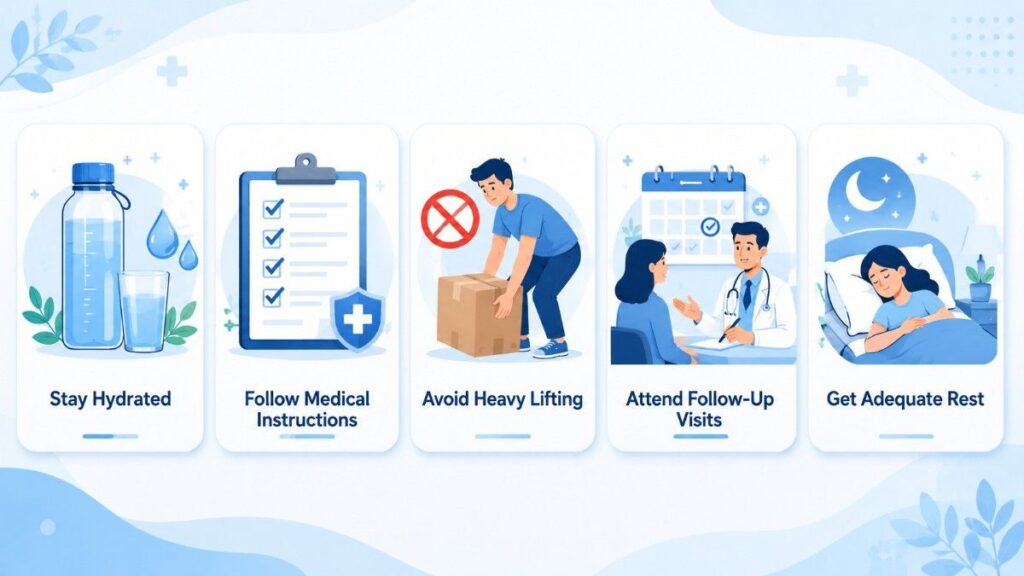
Tips for Faster Recovery
Following healthy recovery practices may support healing and improve comfort.
Stay Hydrated
Drinking adequate water helps maintain urinary health.
Follow Medical Instructions
Carefully following your doctor’s recommendations can improve recovery outcomes.
Avoid Heavy Lifting
Strenuous physical activity should be limited during the early recovery period.
Attend Follow-Up Visits
Regular checkups help monitor healing progress.
Get Adequate Rest
Proper sleep supports tissue repair and overall recovery.
Diet and Lifestyle Recommendations
Healthy lifestyle habits can support recovery after BPH treatment.
Eat a Balanced Diet
Nutrient-rich foods support healing and general health.
Limit Caffeine
Reducing caffeine intake may decrease urinary irritation.
Avoid Excessive Alcohol
Alcohol may worsen urinary symptoms during recovery.
Maintain Healthy Weight
Weight management supports long-term urinary health.
Stay Active
Light physical activity may support circulation and recovery once approved by your doctor.
Warning Signs to Watch For
Although recovery is generally smooth, certain symptoms require medical attention.
Seek medical advice if you experience:
- High fever
- Severe pain
- Heavy bleeding
- Inability to urinate
- Signs of infection
Prompt evaluation helps prevent complications and supports safer recovery.
Long-Term Outcomes After BPH Treatment
Most patients pursue treatment because they want lasting relief from bothersome urinary symptoms.
Potential long-term benefits include:
Improved Urine Flow
Many patients experience stronger urinary flow.
Better Bladder Emptying
Reduced urinary obstruction often improves bladder function.
Reduced Night-Time Urination
Improved sleep quality is a common benefit.
Increased Comfort
Patients often enjoy greater confidence and convenience in daily life.
Enhanced Quality of Life
Successful treatment may positively impact both physical and emotional well-being.
Returning to Daily Activities
The timing for returning to normal activities depends on the specific treatment performed.
Many patients can:
- Walk within a day
- Resume light activities within several days
- Return to work relatively quickly
- Gradually increase activity levels as healing progresses
Always follow your healthcare provider’s recommendations regarding exercise, work, and physical activity.
Conclusion
Recovery after BPH treatment is an important phase that allows the body to heal while urinary function gradually improves. Although recovery experiences vary depending on the treatment method and individual health factors, most patients can expect progressive symptom relief and improved quality of life over time.
Modern treatment options such as Rezum Therapy, UroLift, medications, and surgical procedures offer effective solutions for enlarged prostate symptoms. By following medical advice, maintaining healthy lifestyle habits, staying hydrated, and attending follow-up appointments, patients can support smoother healing and maximize treatment success.
For additional information about enlarged prostate management and clinical recommendations, refer to the American Urological Association BPH Guidelines.
Frequently Asked Questions
Recovery time varies depending on the treatment method, but many patients notice gradual improvement within a few weeks.
Yes, mild urinary discomfort, urgency, or frequency may occur temporarily during the healing process.
Many patients can return to work within a few days after minimally invasive procedures, depending on their recovery progress.
Most patients experience gradual improvement in urine flow as the prostate heals and urinary obstruction decreases.
Light walking is often encouraged, but strenuous activities should be avoided until approved by your doctor.
Proper hydration helps support urinary health and may assist the healing process after treatment.
Yes, temporary urinary frequency, urgency, or mild burning may occur but generally improve over time.
You should seek medical advice if you experience severe pain, fever, heavy bleeding, or difficulty urinating.
Yes, healthy eating, hydration, rest, and following medical instructions can support a smoother recovery.
Many patients experience lasting symptom relief and improved quality of life following successful treatment.