
Benign Prostatic Hyperplasia (BPH), commonly known as an enlarged prostate, is a progressive condition that can significantly affect urinary function and quality of life if left untreated. While many men initially experience mild symptoms such as frequent urination or a weak urine stream, delaying medical care may increase the risk of serious health complications. Understanding the complications of untreated BPH can help patients recognize the importance of early diagnosis and timely intervention. Individuals seeking comprehensive information about diagnosis, medications, minimally invasive procedures, and advanced prostate care can explore our guide on BPH Treatment in Sharjah to learn about the available treatment options for managing enlarged prostate symptoms effectively.
This article explains the complications of untreated BPH, including urinary retention, bladder damage, recurrent infections, kidney problems, and the impact these issues can have on long-term health and overall quality of life.
What Is BPH?
Benign Prostatic Hyperplasia is a non-cancerous enlargement of the prostate gland. The prostate surrounds part of the urethra, which carries urine from the bladder out of the body. As the gland enlarges, it may compress the urethra and interfere with normal urine flow.
Although BPH is not cancerous, it can significantly impact urinary function and overall quality of life if left untreated.
Why Does BPH Progress Over Time?
The prostate typically continues growing with age. While some men experience mild enlargement, others develop progressive obstruction that gradually worsens urinary symptoms.
Without appropriate management, untreated BPH can lead to increased pressure on the bladder and urinary tract, contributing to serious complications.
Early Symptoms of Enlarged Prostate
Before major complications develop, men often experience symptoms such as:
- Frequent urination
- Urgency to urinate
- Weak urine stream
- Difficulty starting urination
- Interrupted urine flow
- Dribbling after urination
- Feeling of incomplete bladder emptying
- Frequent nighttime urination
These symptoms should not be ignored, as they may indicate progressing BPH.
How Untreated BPH Affects the Urinary System
One of the most significant complications of untreated BPH is the increasing obstruction of urine flow.
As urine remains trapped inside the bladder, pressure builds up within the urinary tract. Over time, this pressure can affect bladder function and potentially damage the kidneys.
The longer the obstruction remains untreated, the greater the risk of permanent urinary system damage.
Urinary Retention
One of the Most Serious Complications of Untreated BPH
Urinary retention occurs when a person is unable to empty the bladder completely or cannot urinate at all.
Symptoms Include:
- Severe lower abdominal discomfort
- Sudden inability to urinate
- Bladder fullness
- Painful pressure in the pelvis
Acute urinary retention is considered a medical emergency and often requires immediate catheterization to relieve bladder pressure.
Recurrent Urinary Tract Infections
When urine remains in the bladder for prolonged periods, bacteria can multiply more easily.
Risks of Urinary Tract Infections
- Burning sensation during urination
- Cloudy urine
- Fever
- Pelvic discomfort
- Increased urinary frequency
Recurring infections may indicate significant bladder emptying problems caused by untreated BPH.
Bladder Damage and Weakening
The bladder works harder to push urine through a narrowed urethra.
Over time, this increased effort can cause:
Bladder Muscle Thickening
The bladder wall becomes thicker due to overuse.
Reduced Bladder Function
Eventually, the bladder may lose its ability to contract effectively.
Incomplete Emptying
Residual urine remains trapped inside the bladder after urination.
Permanent bladder dysfunction can occur if obstruction continues for many years.
Bladder Stones
Bladder stones are another important complication of untreated BPH.
Why They Develop
When urine remains in the bladder for long periods, minerals can crystallize and form stones.
Symptoms of Bladder Stones
- Pain during urination
- Blood in urine
- Frequent urination
- Interrupted urine flow
- Lower abdominal discomfort
Large stones may require medical or surgical treatment.
Kidney Damage and Kidney Failure
Among the most serious complications of untreated BPH is kidney damage.
How Kidney Problems Develop
Persistent urinary obstruction can cause urine to back up toward the kidneys.
This pressure may lead to:
- Kidney swelling
- Reduced kidney function
- Permanent kidney damage
- Chronic kidney disease
Although uncommon, severe untreated BPH can contribute to kidney failure in advanced cases.
Blood in the Urine
Some men with untreated enlarged prostate develop visible blood in their urine.
Possible Causes
- Increased pressure within the urinary tract
- Enlarged blood vessels around the prostate
- Bladder irritation
- Associated infections
Any blood in the urine should be evaluated by a healthcare professional.
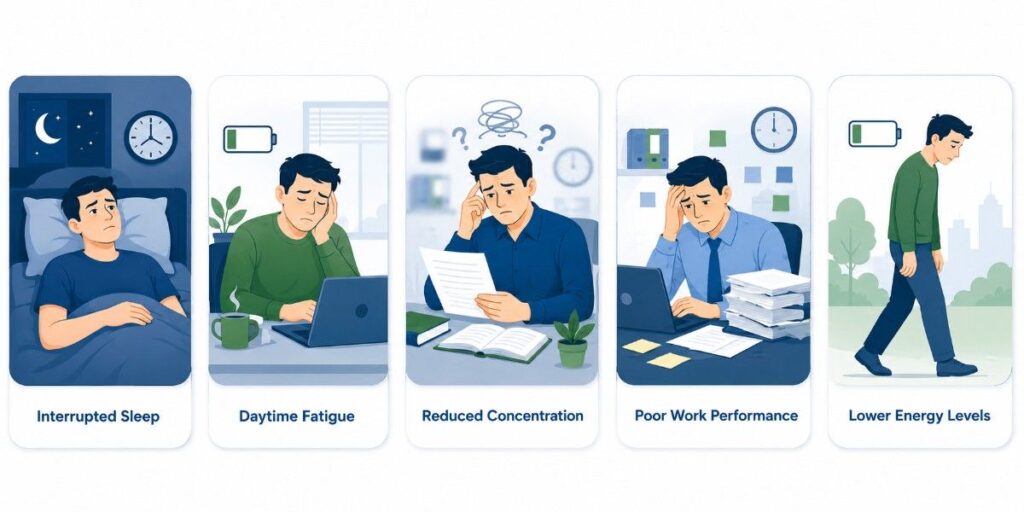
Sleep Disturbances and Fatigue
Frequent nighttime urination, known as nocturia, is a common symptom of BPH.
Effects on Daily Life
- Interrupted sleep
- Daytime fatigue
- Reduced concentration
- Poor work performance
- Lower energy levels
Persistent sleep disruption can significantly affect physical and mental health.
Impact on Quality of Life
The complications of untreated BPH often extend beyond physical symptoms.
Many men experience:
- Difficulty traveling
- Reduced social activities
- Constant concern about restroom access
- Decreased productivity
- Lifestyle restrictions
Over time, these issues can negatively affect overall well-being.
Emotional and Mental Health Effects
Living with persistent urinary symptoms can create emotional stress.
Common Psychological Effects
- Anxiety
- Frustration
- Embarrassment
- Reduced confidence
- Social withdrawal
Seeking treatment early may help reduce both physical and emotional burdens associated with BPH.
When to Seek Medical Attention
You should consult a healthcare provider if you experience:
- Weak urine stream
- Frequent nighttime urination
- Difficulty emptying the bladder
- Blood in the urine
- Painful urination
- Recurrent urinary infections
- Sudden inability to urinate
Early evaluation can help prevent serious complications.
Preventing Complications of Untreated BPH
The best way to avoid complications of untreated BPH is through timely diagnosis and management.
Preventive Measures
- Regular medical checkups
- Monitoring urinary symptoms
- Following prescribed treatments
- Maintaining a healthy lifestyle
- Seeking medical advice when symptoms worsen
Early intervention often prevents long-term damage.
Modern Treatment Options
Today, multiple effective treatment options are available for enlarged prostate.
Lifestyle Modifications
Suitable for mild symptoms.
Medications
Can help relax prostate muscles and improve urine flow.
Minimally Invasive Procedures
- Rezum Therapy
- UroLift
- Other advanced BPH treatments
Surgical Treatments
May be recommended for severe obstruction or advanced complications.
Treatment selection depends on symptom severity, prostate size, and individual health needs.
Conclusion
The complications of untreated BPH can extend far beyond simple urinary discomfort. What begins as mild urinary symptoms may eventually progress to urinary retention, recurrent infections, bladder dysfunction, bladder stones, and even kidney damage. These complications can significantly affect quality of life and overall health if left unmanaged.
Fortunately, early diagnosis and modern treatment options can effectively control symptoms and prevent long-term complications. Men experiencing persistent urinary problems should seek professional evaluation rather than assuming symptoms are a normal part of aging. Timely treatment can protect bladder function, preserve kidney health, and improve daily comfort. For additional information on enlarged prostate conditions, visit the Urology Care Foundation’s BPH resource.
Frequently Asked Questions
Untreated BPH can lead to urinary retention, recurrent infections, bladder damage, bladder stones, kidney problems, and reduced quality of life.
Yes, untreated BPH may block urine flow and result in acute or chronic urinary retention.
The bladder may become overworked, weakened, and less effective at emptying urine completely.
Severe urinary obstruction from untreated BPH can increase pressure on the kidneys and affect kidney function.
Yes, incomplete bladder emptying can create conditions that encourage bacterial growth and recurrent infections.
Yes, urine remaining in the bladder for long periods can contribute to the formation of bladder stones.
Frequent nighttime urination can disrupt sleep, leading to fatigue and reduced daytime productivity.
You should consult a healthcare professional if urinary symptoms become persistent, severe, or suddenly worsen.
Yes, early diagnosis and appropriate treatment can help reduce the risk of serious urinary and kidney-related complications.
Some complications may improve with treatment, but prolonged damage to the bladder or kidneys may not always be fully reversible.