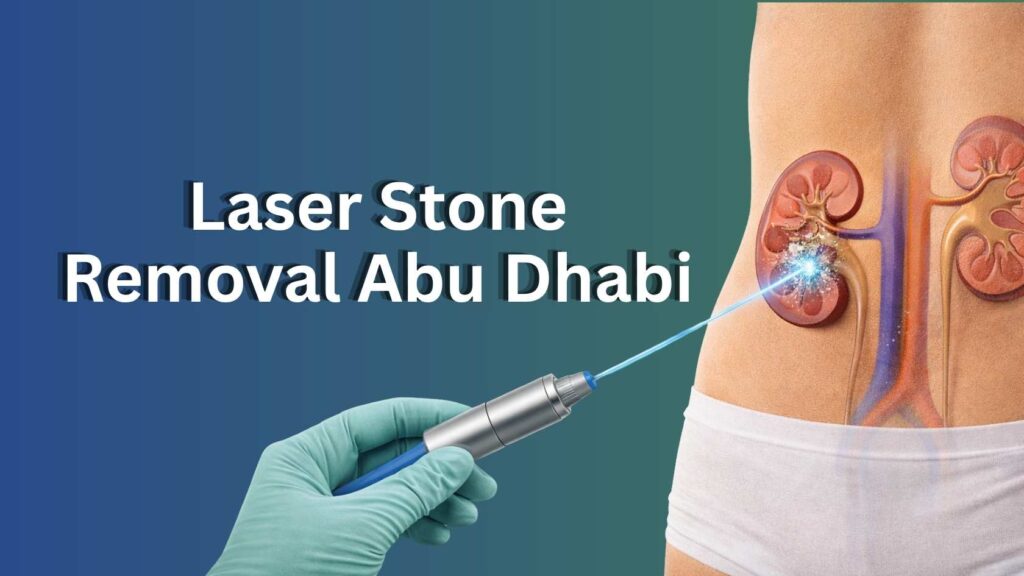
Laser Stone Removal Abu Dhabi
Living with kidney or urinary stones can be extremely painful and disruptive, especially in a fast-paced urban environment like Abu Dhabi where daily routines demand comfort and mobility. Laser stone removal offers a modern, minimally invasive solution for people suffering from stones in the kidney, ureter, or bladder. This advanced treatment is designed to eliminate stones safely, reduce pain quickly, and help patients return to normal life without the long recovery associated with traditional surgery.
Kidney stones are hard mineral deposits that form when substances such as calcium, oxalate, or uric acid crystallize in the urinary tract. When these stones grow or move, they can block urine flow and cause severe pain, infection, nausea, and urinary problems. Laser stone removal has become one of the most effective ways to treat these stones, particularly when they are too large to pass naturally or when symptoms are severe.
What Is Laser Stone Removal?
Laser stone removal is a minimally invasive medical procedure that uses high-energy laser beams to break urinary stones into tiny fragments. The most commonly used technique is laser lithotripsy, performed using a thin instrument called a ureteroscope.
During the procedure:
- A small scope is inserted through the urethra (no external cuts)
- The scope travels through the bladder into the ureter or kidney
- A laser fiber targets the stone directly
- The stone is fragmented into tiny pieces
- Fragments are either removed or allowed to pass naturally in urine
Because the procedure uses natural urinary pathways, there is no need for large incisions, making it significantly safer and more comfortable than traditional open surgery.
Conditions Treated with Laser Stone Removal
Laser technology can treat stones located anywhere in the urinary system, including:
- Kidney stones
- Ureteral stones
- Bladder stones
- Recurrent stone disease
- Stones causing urinary blockage
- Stones resistant to medication therapy
It is particularly beneficial for hard stones that cannot be broken by shock wave therapy or those positioned in difficult locations.
Symptoms That May Indicate the Need for Treatment
Not all stones cause symptoms, but when they do, they can be intense and alarming. You may require laser stone removal if you experience:
- Severe pain in the back or side
- Pain radiating to the lower abdomen or groin
- Burning sensation during urination
- Blood in urine (pink, red, or brown)
- Frequent urge to urinate
- Nausea and vomiting
- Fever or chills (possible infection)
- Difficulty passing urine
Prompt treatment is important to prevent complications such as kidney damage or urinary tract infections.
Advantages of Laser Stone Removal
Laser lithotripsy has transformed stone treatment due to its precision and safety. Key benefits include:
Minimally Invasive
No surgical cuts are required. The procedure uses natural body openings, reducing trauma and scarring.
High Success Rate
Laser energy can break even very hard stones into dust-like particles, increasing the likelihood of complete removal in a single session.
Reduced Pain
Compared to traditional surgery, patients experience significantly less postoperative discomfort.
Faster Recovery
Most people resume normal activities within a few days.
Suitable for All Stone Types
Laser treatment works on calcium, uric acid, cystine, and other stone compositions.
Lower Risk of Complications
Minimal bleeding, reduced infection risk, and less tissue damage.
Who Is an Ideal Candidate?
Laser stone removal is recommended for individuals who:
- Have stones too large to pass naturally
- Experience persistent pain or urinary blockage
- Have recurrent stone formation
- Cannot undergo shock wave lithotripsy
- Have stones located in the ureter or kidney
- Need rapid relief due to infection risk
A medical evaluation including imaging tests will determine the size, location, and number of stones before planning treatment.
Pre-Procedure Preparation
Proper preparation ensures safety and effectiveness. Before the procedure, patients may undergo:
- Blood tests
- Urine analysis
- Ultrasound or CT scan
- Review of medications
- Temporary discontinuation of blood thinners (if applicable)
- Fasting for several hours before surgery
Patients are typically advised to arrange transportation home, as anesthesia is used during the procedure.
Step-by-Step Procedure
Laser stone removal usually takes 30 minutes to 2 hours depending on the stone size and location.
1. Anesthesia
General or spinal anesthesia ensures the patient remains comfortable and pain-free.
2. Insertion of Ureteroscope
A thin flexible tube with a camera is inserted through the urethra into the urinary tract.
3. Stone Visualization
The surgeon locates the stone using the camera.
4. Laser Fragmentation
A laser fiber delivers pulses that break the stone into tiny fragments or dust.
5. Removal or Natural Passage
Fragments are removed using small baskets or left to pass through urine.
6. Stent Placement (If Needed)
A temporary ureteral stent may be placed to keep urine flowing smoothly while healing occurs.
Recovery After Laser Stone Removal
Recovery is generally quick and smooth compared to traditional surgery.
Immediate Recovery
- Observation for a few hours after the procedure
- Mild burning during urination
- Slight blood in urine for a few days
- Possible discomfort from stent (if placed)
First Week
- Increased fluid intake recommended
- Light physical activity allowed
- Pain medications prescribed if needed
- Avoid heavy lifting or strenuous exercise
Return to Normal Activities
Most patients resume work and daily routines within 2–5 days.
Possible Side Effects
While considered very safe, some temporary side effects may occur:
- Burning sensation during urination
- Mild abdominal or flank pain
- Blood-tinged urine
- Urinary urgency
- Stent discomfort
These symptoms usually resolve within a few days to weeks.
Risks and Complications
Serious complications are rare but may include:
- Urinary tract infection
- Ureteral injury
- Persistent bleeding
- Incomplete stone removal
- Need for repeat procedure
- Stent-related discomfort
Following medical advice and attending follow-up appointments reduces these risks significantly.
Life After Stone Removal
Removing the stone does not guarantee it will never return. Lifestyle changes are essential to prevent recurrence.
Hydration
Drinking plenty of water is the most effective preventive measure. Aim for clear or pale-yellow urine.
Dietary Modifications
Depending on stone type, recommendations may include:
- Reducing salt intake
- Limiting oxalate-rich foods (spinach, nuts, chocolate)
- Moderating animal protein consumption
- Maintaining balanced calcium intake
Medical Management
Some individuals may require medications to prevent future stone formation.
When to Seek Immediate Care
After the procedure, contact a healthcare provider if you experience:
- High fever
- Severe persistent pain
- Inability to urinate
- Heavy bleeding
- Signs of infection
- Persistent nausea or vomiting
Prompt attention ensures complications are managed quickly.
Why Early Treatment Matters
Ignoring kidney stones can lead to serious health issues, including:
- Kidney damage
- Chronic pain
- Recurrent infections
- Urinary obstruction
- Reduced kidney function
Laser stone removal provides fast relief while protecting long-term urinary health.
Conclusion
Laser stone removal is a safe, effective, and minimally invasive solution for treating kidney, ureter, and bladder stones. By using advanced laser technology, this procedure breaks stones into tiny fragments without the need for major surgery, allowing patients to recover quickly and return to daily life with minimal discomfort. For individuals experiencing severe pain, recurrent stones, or urinary blockage, this treatment offers rapid relief and long-term benefits when combined with proper hydration and lifestyle adjustments. In a modern healthcare setting like Abu Dhabi, laser stone removal stands out as a reliable option for restoring comfort, protecting kidney function, and improving overall quality of life.
Frequently Asked Questions
1. What is laser stone removal?
Laser stone removal is a minimally invasive procedure that uses a high-energy laser to break kidney, ureter, or bladder stones into very small fragments, which are then removed or passed naturally through urine.
2. Is laser stone removal painful?
The procedure itself is not painful because it is performed under anesthesia. After treatment, patients may experience mild discomfort or a burning sensation during urination for a few days.
3. How long does the procedure take?
Laser stone removal typically takes between 30 minutes and 2 hours, depending on the size, number, and location of the stones.
4. How long is the recovery period?
Most patients recover quickly and return to normal daily activities within 2–5 days, although complete internal healing may take a few weeks.
5. Will I need to stay in the hospital?
In many cases, it is a day-care procedure, meaning patients can go home the same day. Some may require an overnight stay for observation.
6. Are there any side effects after the procedure?
Common temporary effects include mild pain, blood in urine, urinary urgency, and burning during urination. These usually resolve within a few days.
7. What is a ureteral stent, and will I need one?
A ureteral stent is a thin tube placed temporarily inside the ureter to ensure proper urine flow after the procedure. Not all patients require a stent, but it is used when swelling or blockage is expected.
8. Can kidney stones come back after laser removal?
Yes, stones can recur if preventive measures are not followed. Adequate hydration, dietary changes, and medical guidance help reduce recurrence risk.
9. Is laser stone removal safe for large stones?
Yes, laser technology can effectively break even large or hard stones, although very large stones may sometimes require more than one session.
10. When should I see a doctor after the procedure?
Seek medical attention if you experience high fever, severe pain, inability to urinate, heavy bleeding, or signs of infection.