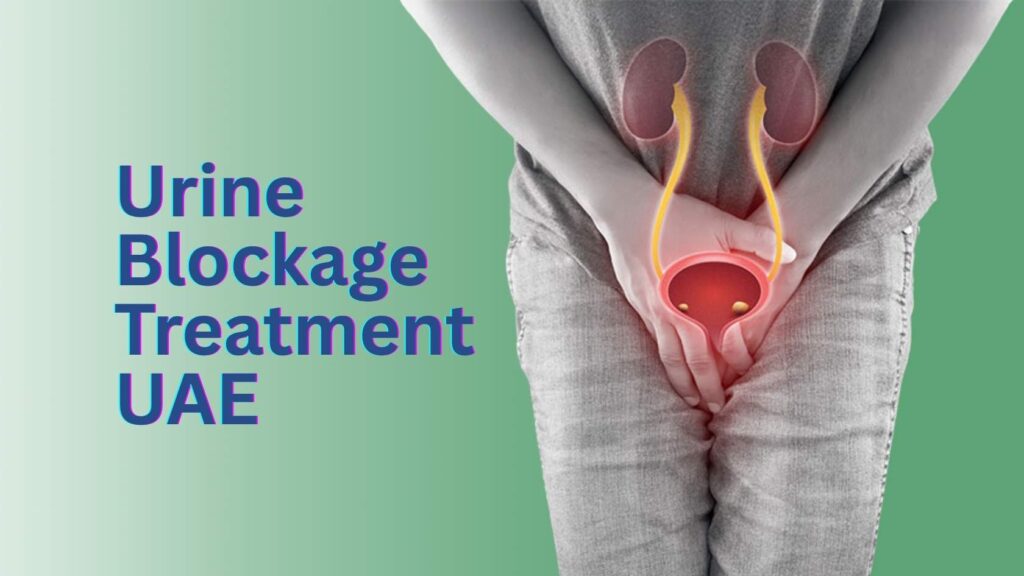
Urine Blockage Treatment UAE
Living with urinary problems can be distressing, especially when symptoms suddenly worsen and require urgent medical attention in the UAE. Urine blockage is a serious condition that affects people of all ages in the UAE, causing discomfort, pain, and potential complications if not treated promptly.
Urine blockage, medically known as Urinary Retention, occurs when urine cannot flow normally from the bladder through the urethra. This condition may develop gradually or appear suddenly as a medical emergency. Understanding its causes, symptoms, treatment options, and recovery process is essential for timely care and long-term urinary health.
What Is Urine Blockage?
Urine blockage refers to a partial or complete obstruction in the urinary tract that prevents normal urination. The urinary system includes the kidneys, ureters, bladder, and urethra. A blockage at any point along this pathway can disrupt urine flow.
There are two main types:
1. Acute Urine Blockage
This is a sudden inability to urinate despite a full bladder. It is extremely painful and requires immediate medical treatment.
2. Chronic Urine Blockage
This develops slowly over time. A person may still urinate, but the bladder does not empty completely, leading to complications such as infections or kidney damage.
Common Causes of Urine Blockage
Urine blockage can occur for various reasons, depending on age, gender, and underlying health conditions.
In Men
- Enlarged prostate (very common in older men)
- Prostate inflammation or infection
- Urethral stricture (narrowing of the urethra)
- Bladder stones
- Prostate cancer
- Previous pelvic surgery
In Women
- Pelvic organ prolapse
- Urethral narrowing
- Severe urinary tract infections
- Post-surgical swelling
- Tumors pressing on the urinary tract
In Both Men and Women
- Bladder stones
- Kidney stones lodged in the urinary tract
- Nerve damage affecting bladder control
- Medications that impair bladder function
- Blood clots in the urinary tract
- Injury to the pelvic region
- Severe constipation pressing on the bladder
Symptoms of Urine Blockage
Symptoms vary depending on whether the blockage is partial or complete.
Emergency Symptoms
Seek immediate medical care if you experience:
- Complete inability to urinate
- Severe lower abdominal pain
- Swollen or distended abdomen
- Nausea or vomiting
- Restlessness due to discomfort
Chronic Symptoms
- Weak urine stream
- Difficulty starting urination
- Feeling of incomplete bladder emptying
- Frequent urination, especially at night
- Urgency to urinate
- Dribbling at the end of urination
- Recurrent urinary tract infections
- Lower abdominal discomfort
Ignoring these signs can lead to serious complications, including bladder damage and kidney problems.
Risk Factors
Certain factors increase the likelihood of developing urine blockage:
- Aging
- Enlarged prostate in men
- Neurological disorders (e.g., stroke, spinal injury)
- Diabetes
- Previous urinary surgeries
- Pelvic injuries
- Long-term catheter use
- Chronic constipation
- Certain medications such as antihistamines or antidepressants
Diagnosis of Urine Blockage
Accurate diagnosis is essential for effective treatment. Doctors typically perform a combination of physical examination, medical history review, and diagnostic tests.
Common Diagnostic Tests
1. Ultrasound Scan
Helps visualize the bladder and kidneys to detect urine retention or structural abnormalities.
2. Urine Tests
Identify infections, blood, or other abnormalities.
3. Blood Tests
Assess kidney function and detect underlying health issues.
4. Uroflowmetry
Measures urine flow rate to determine obstruction severity.
5. Post-Void Residual Test
Measures the amount of urine left in the bladder after urination.
6. Cystoscopy
A small camera is inserted into the urethra to examine the bladder and urethra directly.
7. CT Scan or MRI
Used in complex cases to identify tumors, stones, or structural problems.
Urine Blockage Treatment Options
Treatment depends on the cause, severity, and whether the condition is acute or chronic.
Emergency Treatment: Catheterization
In acute cases, immediate relief is provided by inserting a catheter into the bladder to drain urine.
There are two types:
- Urethral catheter — inserted through the urethra
- Suprapubic catheter — inserted through the lower abdomen when urethral insertion is not possible
This procedure quickly reduces pain and prevents bladder damage.
Medications
Medications may be prescribed to treat underlying causes.
For Enlarged Prostate
- Alpha blockers to relax prostate muscles
- 5-alpha reductase inhibitors to shrink prostate size
For Infections
- Antibiotics to eliminate bacteria
For Bladder Dysfunction
- Drugs that improve bladder muscle activity
Minimally Invasive Procedures
These procedures are effective for structural problems causing blockage.
Urethral Dilation
Gradual widening of a narrowed urethra using special instruments.
Laser Therapy
Used to remove prostate tissue or scar tissue obstructing urine flow.
Bladder Stone Removal
Stones are broken and removed using endoscopic techniques.
Surgical Treatment
Surgery may be necessary when conservative treatments fail or when structural abnormalities are severe.
Prostate Surgery
Removal of enlarged prostate tissue to restore urine flow.
Urethral Reconstruction
Repair of severe strictures or damaged urethra.
Tumor Removal
If cancer or growths are causing obstruction.
Pelvic Repair Surgery
Corrects prolapse or anatomical defects in women.
Modern surgical techniques often allow faster recovery with minimal discomfort.
Recovery After Treatment
Recovery depends on the cause and treatment method used.
Short-Term Recovery
- Temporary burning during urination
- Mild discomfort in the lower abdomen
- Increased urinary frequency initially
- Fatigue after procedures
These symptoms typically improve within a few days to weeks.
Long-Term Recovery
Patients are advised to:
- Stay well hydrated
- Follow prescribed medications
- Avoid heavy lifting temporarily
- Practice pelvic floor exercises if recommended
- Attend follow-up appointments
Possible Complications if Untreated
Delaying treatment can lead to serious health problems:
- Bladder damage or rupture
- Kidney damage or failure
- Recurrent urinary tract infections
- Urinary incontinence
- Sepsis (life-threatening infection)
- Chronic pain and discomfort
Early treatment significantly reduces these risks.
Lifestyle Changes to Prevent Recurrence
Preventive care plays an important role after treatment.
Healthy Habits
- Drink adequate water daily
- Avoid holding urine for long periods
- Maintain healthy body weight
- Manage chronic conditions like diabetes
- Treat constipation promptly
- Practice good hygiene
Dietary Tips
- Reduce excessive caffeine and alcohol
- Limit very spicy or acidic foods if they irritate the bladder
- Increase fiber intake to prevent constipation
- Eat balanced meals to support overall health
When to Seek Immediate Medical Help
Do not delay care if you experience:
- Sudden inability to urinate
- Severe abdominal pain
- Fever with urinary symptoms
- Blood in urine
- Persistent vomiting
- Confusion or weakness
These signs may indicate a medical emergency.
Emotional and Quality-of-Life Impact
Urine blockage can affect more than physical health. Many individuals experience anxiety, embarrassment, sleep disturbances, and reduced daily functioning.
Timely treatment often restores normal urination and significantly improves quality of life, allowing patients to return to work, social activities, and normal routines with confidence.
Importance of Early Diagnosis
Early detection leads to simpler treatments, faster recovery, and fewer complications. Regular medical checkups are especially important for older adults and those with risk factors.
Modern medical care offers highly effective solutions, ranging from medications to advanced minimally invasive procedures.
Conclusion
Urine blockage is not just a minor urinary problem—it is a medical condition that can significantly affect comfort, daily activities, and overall health if left untreated. The inability to pass urine normally can lead to intense pain, emotional stress, sleep disturbances, and serious complications involving the bladder and kidneys. Fortunately, with modern diagnostic tools and advanced treatment options available in the UAE, most cases can be managed effectively when addressed at the right time.
Early recognition of warning signs such as difficulty urinating, weak stream, abdominal discomfort, or sudden inability to pass urine plays a crucial role in preventing long-term damage. Whether the cause is an enlarged prostate, urinary stones, infection, nerve-related issues, or structural abnormalities, timely medical evaluation allows doctors to identify the underlying problem and provide targeted treatment. From simple catheterization and medications to minimally invasive procedures and surgical solutions, today’s treatments are designed to relieve obstruction, restore normal urine flow, and improve quality of life with minimal downtime.
Frequently Asked Questions
1. What is urine blockage?
Urine blockage, also known as Urinary Retention, is a condition where urine cannot flow normally from the bladder, either partially or completely. It can occur suddenly or develop gradually over time.
2. What causes urine blockage?
Common causes include enlarged prostate in men, urinary stones, infections, urethral narrowing, nerve problems, tumors, pelvic organ prolapse in women, and certain medications that affect bladder function.
3. Is urine blockage a medical emergency?
Yes, sudden inability to urinate accompanied by severe pain or abdominal swelling is a medical emergency. Immediate treatment is required to prevent bladder or kidney damage.
4. How is urine blockage diagnosed?
Doctors may use physical examination, ultrasound, urine tests, blood tests, uroflowmetry, cystoscopy, or imaging scans such as CT or MRI to determine the cause and severity of the blockage.
5. What is the first treatment for acute urine blockage?
The immediate treatment is usually catheterization, where a thin tube is inserted into the bladder to drain urine and relieve pressure.
6. Can urine blockage be treated without surgery?
Yes. Many cases are treated with medications, catheterization, or minimally invasive procedures. Surgery is recommended only when other treatments are ineffective or when structural problems are severe.
7. How long does recovery take after treatment?
Recovery time varies depending on the cause and treatment method. Minor procedures may require only a few days, while surgical recovery may take several weeks.
8. Can urine blockage come back after treatment?
Recurrence is possible if the underlying cause persists. Lifestyle changes, medications, and regular follow-up care help reduce the risk.
9. Are there any complications if untreated?
Yes. Untreated urine blockage can lead to bladder damage, kidney problems, recurrent infections, urinary incontinence, and in severe cases, life-threatening complications.
10. When should I see a doctor for urinary problems?
You should seek medical attention if you experience difficulty urinating, weak urine stream, frequent urination, pain, blood in urine, or inability to urinate.