Prostate Treatment in Dubai: Complete Guide to Modern Treatment Options, Symptoms, and Recovery
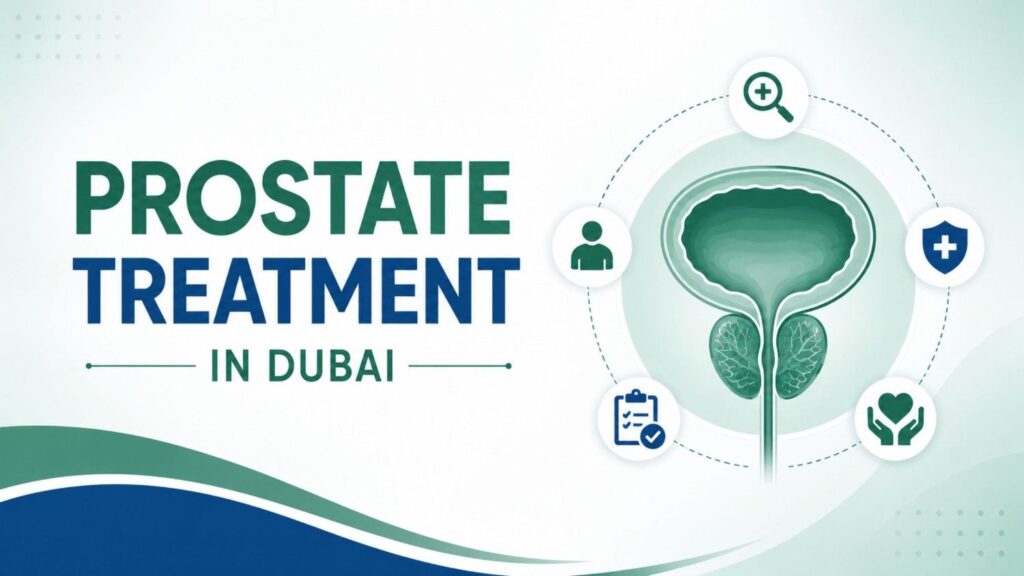
Prostate Treatment in Dubai has advanced significantly in recent years, giving men access to modern, minimally invasive procedures alongside traditional surgical treatments. Whether you are experiencing urinary problems due to an enlarged prostate, dealing with prostate infections, or seeking specialized care for other prostate conditions, early diagnosis and the right treatment plan can greatly improve your quality of life.
Many men ignore early urinary symptoms, assuming they are a normal part of ageing. However, prompt medical evaluation can help identify the underlying cause and prevent complications. This comprehensive guide explains the common prostate conditions, available treatment options, benefits of early intervention, recovery expectations, and how to choose the most appropriate Prostate Treatment in Dubai for your individual needs.
What Is the Prostate?
The prostate is a small gland found only in men. It is located just below the bladder and surrounds part of the urethra, the tube that carries urine out of the body.
Its primary function is to produce fluid that forms part of semen. As men grow older, the prostate naturally enlarges, which may lead to urinary symptoms or other health concerns.
Maintaining prostate health is essential for comfortable urination, reproductive health, and overall well-being.
Why You May Need Prostate Treatment
Several medical conditions can affect the prostate and require professional evaluation.
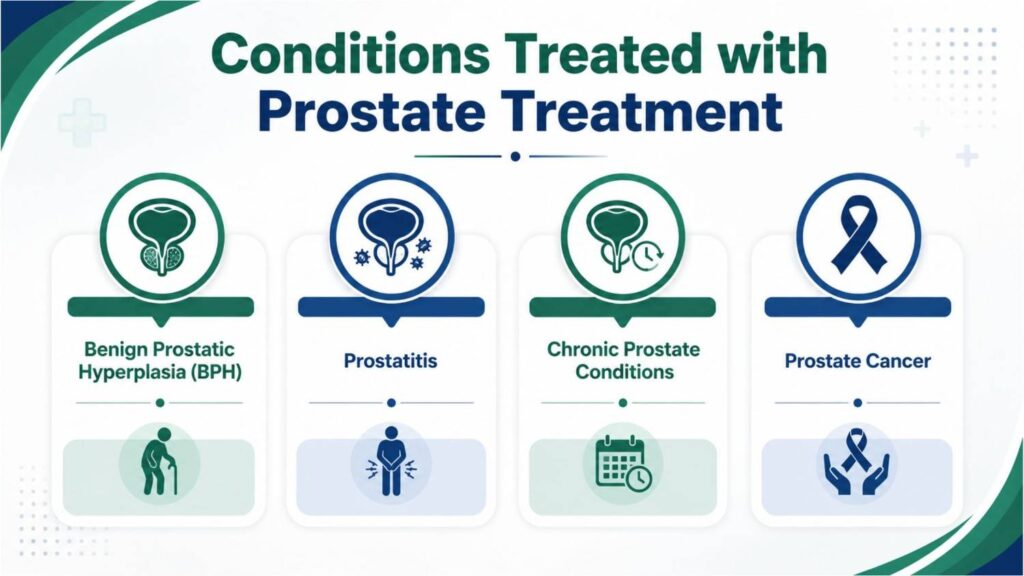
The most common conditions include:
- Benign Prostatic Hyperplasia (BPH)
- Prostatitis
- Prostate infections
- Prostate stones
- Urinary obstruction caused by prostate enlargement
- Prostate cancer (requiring specialized oncological management)
The appropriate Prostate Treatment in Dubai depends on the exact diagnosis, symptom severity, prostate size, age, and overall health.
Common Symptoms That Should Not Be Ignored
Many prostate conditions develop gradually. Early symptoms may seem minor but often worsen over time.
Common symptoms include:
- Frequent urination
- Night-time urination
- Weak urine stream
- Difficulty starting urination
- Sudden urge to urinate
- Interrupted urine flow
- Dribbling after urination
- Feeling that the bladder is not completely empty
- Pain during urination
- Blood in the urine
- Pelvic discomfort
Persistent urinary symptoms should always be assessed by a qualified urologist to determine the need for Prostate Treatment in Dubai.
Diagnosis Before Prostate Treatment
An accurate diagnosis helps determine the most effective treatment approach.
Your urologist may recommend several investigations.
Medical History
The doctor reviews urinary symptoms, medical conditions, medications, and previous treatments.
Physical Examination
A physical examination helps assess overall health and prostate condition.
Digital Rectal Examination (DRE)
This examination allows the doctor to evaluate the size and texture of the prostate.
Urine Analysis
Urine testing helps identify infections or blood in the urine.
Blood Tests
Blood investigations may include:
- PSA (Prostate-Specific Antigen)
- Kidney function tests
- Complete blood count
Ultrasound
Ultrasound imaging evaluates the prostate, bladder, and urinary tract.
Uroflowmetry
This test measures the strength and speed of urine flow.
Cystoscopy
In selected patients, a small camera is inserted into the urinary tract to examine the bladder and urethra.
A comprehensive evaluation ensures that Prostate Treatment in Dubai is tailored to each patient’s condition.
Modern Prostate Treatment
Treatment depends on the severity of symptoms and the underlying diagnosis.
Lifestyle Modifications
Patients with mild symptoms may benefit from simple lifestyle adjustments.
These include:
- Reducing caffeine intake
- Limiting alcohol
- Maintaining a healthy weight
- Staying physically active
- Avoiding excessive fluid intake before bedtime
Medications
Doctors may prescribe medications that:
- Relax prostate muscles
- Reduce prostate size
- Improve urine flow
- Control urinary symptoms
Medication is often recommended for mild to moderate symptoms.
Rezum Therapy
One of the most advanced options for Prostate Treatment in Dubai is Rezum Therapy.
This minimally invasive procedure uses sterile water vapor to destroy excess prostate tissue responsible for urinary obstruction.
Benefits include:
- No major surgery
- Short treatment time
- Faster recovery
- Day-care procedure
- Minimal discomfort
- Preservation of urinary function
- Reduced hospital stay
Many patients choose Rezum Therapy in Dubai because it offers effective symptom relief while minimizing disruption to daily life.
UroLift Procedure
The UroLift System lifts and holds enlarged prostate tissue away from the urethra without removing tissue.
Advantages include:
- Minimally invasive
- Quick recovery
- No surgical incision
- Immediate improvement in urine flow for many patients
TURP (Transurethral Resection of the Prostate)
TURP remains one of the most established surgical treatments for moderate to severe prostate enlargement.
During the procedure, excess prostate tissue is removed through the urethra to improve urinary flow.
Plasma TURP
Plasma TURP uses advanced bipolar energy to remove enlarged prostate tissue while minimizing bleeding and improving surgical precision.
Laser Prostate Surgery
Laser procedures remove obstructing prostate tissue using high-energy laser technology.
Potential benefits include:
- Less bleeding
- Faster recovery
- Shorter hospital stay
- Excellent symptom relief
Open or Robotic Surgery
For very large prostates or complex cases, open or robotic-assisted surgery may be recommended.
Who Is a Good Candidate for Prostate Treatment
Treatment suitability depends on several factors.
You may benefit if you:
- Experience bothersome urinary symptoms
- Have been diagnosed with BPH
- Have recurrent urinary infections
- Are not responding to medications
- Want minimally invasive treatment
- Have urinary obstruction affecting daily activities
- Have complications related to prostate enlargement
Your urologist will recommend the most suitable Prostate Treatment in Dubai after a detailed evaluation.
Benefits of Early Prostate Treatment
Seeking treatment early offers several advantages.
These include:
- Improved urine flow
- Better bladder emptying
- Reduced night-time urination
- Better sleep quality
- Reduced risk of urinary retention
- Lower risk of bladder damage
- Improved daily comfort
- Enhanced quality of life
- Prevention of long-term complications
Early Prostate Treatment in Dubai often results in better outcomes and less invasive treatment options.
Recovery After Prostate Treatment
Recovery varies depending on the type of treatment performed.
First Few Days
Patients may experience:
- Mild burning during urination
- Increased urinary frequency
- Minor discomfort
- Temporary urgency
Returning to Normal Activities
Many patients resume light daily activities within a few days after minimally invasive procedures.
More extensive surgeries may require a longer recovery period.
Long-Term Recovery
Healing continues gradually over several weeks.
Most patients experience steady improvement in urinary symptoms as recovery progresses.
Tips for Faster Recovery
Following your doctor’s instructions helps ensure optimal healing.
Recommended recovery tips include:
- Drink adequate water
- Take medications as prescribed
- Avoid heavy lifting
- Walk regularly
- Prevent constipation
- Eat a balanced diet
- Limit alcohol during recovery
- Avoid smoking
- Attend scheduled follow-up appointments
These healthy habits support successful Prostate Treatment in Dubai and long-term urinary health.
Possible Risks and Side Effects
Every medical procedure carries some degree of risk.
Temporary side effects may include:
- Burning during urination
- Mild bleeding
- Blood in urine
- Increased urinary frequency
- Temporary urinary urgency
- Mild pelvic discomfort
- Temporary urinary retention
Serious complications are uncommon but should always be discussed with your treating urologist.
Comparing Common Prostate Treatments
| Treatment | Best For | Recovery | Invasiveness |
|---|---|---|---|
| Lifestyle Changes | Mild symptoms | Immediate | None |
| Medication | Mild to moderate BPH | Ongoing | None |
| Rezum Therapy | Moderate BPH | Fast | Minimally invasive |
| UroLift | Selected BPH patients | Fast | Minimally invasive |
| TURP | Moderate to severe BPH | Moderate | Surgical |
| Plasma TURP | Moderate to severe BPH | Moderate | Surgical |
| Laser Surgery | Enlarged prostate | Moderate | Minimally invasive |
| Open Surgery | Very large prostates | Longer | Major surgery |
Lifestyle Habits That Support Prostate Health
Although treatment is important, healthy daily habits also play a significant role.
Consider:
- Maintaining a healthy body weight
- Exercising regularly
- Drinking enough water
- Eating fruits and vegetables
- Reducing processed foods
- Limiting caffeine
- Avoiding tobacco
- Managing diabetes and blood pressure
- Scheduling regular urology check-ups
These measures can complement Prostate Treatment in Dubai and promote long-term urinary health.
Preparing for Your Consultation
Before your appointment, consider asking your urologist:
- What is causing my symptoms?
- What tests will I need?
- Which treatment is most suitable?
- Do I need medication or a procedure?
- Is minimally invasive treatment appropriate for me?
- How long will recovery take?
- What are the possible risks?
- Will I need a catheter?
- When can I return to work?
- How often will I need follow-up visits?
Being well prepared helps you make informed decisions about Prostate Treatment in Dubai.
When Should You See a Urologist?
Seek medical attention if you experience:
- Difficulty passing urine
- Blood in the urine
- Severe pelvic pain
- Recurrent urinary infections
- Sudden inability to urinate
- Persistent urinary symptoms affecting daily life
Early evaluation allows timely diagnosis and appropriate Prostate Treatment in Dubai, reducing the risk of complications.
Conclusion
Modern Prostate Treatment in Dubai offers men a wide range of effective solutions for managing prostate conditions, from lifestyle changes and medications to advanced minimally invasive procedures such as Rezum Therapy, UroLift, laser surgery, and TURP. The most appropriate treatment depends on your diagnosis, prostate size, symptom severity, and overall health. Seeking medical attention early can improve urinary function, reduce complications, and enhance your quality of life. If you are experiencing persistent urinary symptoms or have concerns about your prostate health, consulting an experienced urology specialist is the best first step toward finding the right Prostate Treatment in Dubai for your individual needs.
If you would like to learn more about benign prostatic hyperplasia (BPH), including its symptoms, diagnosis, and treatment options, refer to this trusted medical resource.